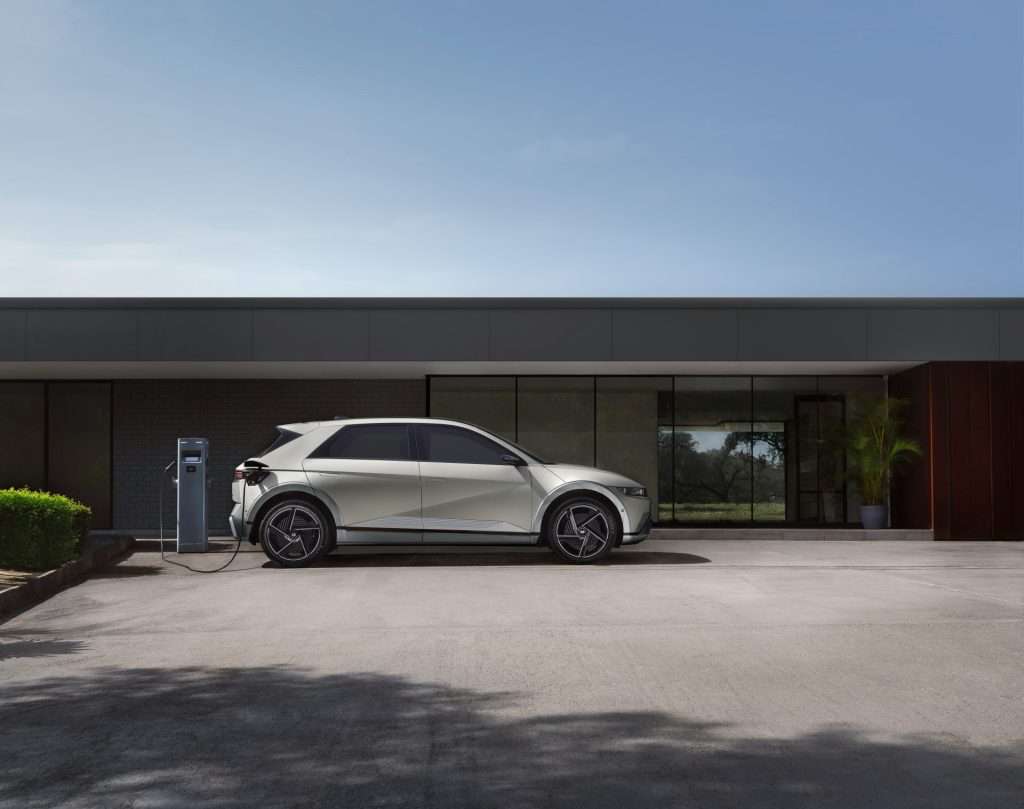
As electric vehicles (EVs) surge in popularity, understanding charging infrastructure is critical for both new and seasoned EV owners. From slow overnight charging to rapid highway top-ups, EV chargers come in three primary “levels” and multiple plug types. In this guide, we’ll break down Level 1, Level 2, and Level 3 charging, explore plug standards like J1772 and CCS, and help you decide which solution fits your lifestyle.
What Are EV Charging Levels?
EV charging is categorized into three levels based on power output, charging speed, and use cases:
1. Level 1 Charging: Basic Home Charging
Power Source: 120V AC (standard household outlet).
Charging Speed: Adds 3–5 miles of range per hour.
Best For: Overnight charging for plug-in hybrids or EVs with small batteries.
Pros: No installation cost; uses existing outlets.
Cons: Impractical for daily full-battery charging.
2. Level 2 Charging: The Gold Standard for Home & Public Use
Power Source: 240V AC (like a dryer outlet).
Charging Speed: Delivers 25–30 miles of range per hour.
Best For: Daily home charging, workplace stations, and public parking.
Pros: Balances speed and affordability; ideal for overnight full charges.
Cons: Requires professional installation.
3. Level 3 Charging (DC Fast Charging): Rapid On-the-Go Power
Power Source: 480V DC (commercial-grade stations).
Charging Speed: Replenishes 80% battery in 20–40 minutes.
Best For: Long trips, highway rest stops, and fleet vehicles.
Pros: Unmatched speed for road trips.
Cons: Expensive infrastructure; not suitable for home use.
Level 2 EV Charging: A Closer Look
Level 2 chargers strike the perfect balance between speed and practicality, making them the most popular choice for home and public installations.
Key Features
Power Output: 7–19.2 kW (depends on EV acceptance rate).
Installation: Requires a 240V circuit and a NEMA 14-50 outlet or hardwired setup.
Top Use Cases
Home Charging: Fully charge most EVs overnight.
Workplaces: Provide employees with convenient daytime charging.
Public Stations: Found at malls, hotels, and parking garages.
EV Plug Types: A Global Breakdown
Not all plugs work with all chargers! Here’s a guide to the most common connectors:
| Plug Type | Region | Compatible Chargers | Common EVs |
|---|---|---|---|
| J1772 (Type 1) | North America | Level 1 & Level 2 | All non-Tesla EVs |
| CCS (Combo) | North America, EU | Level 3 (DC Fast) | Ford, GM, VW, BMW |
| CHAdeMO | Japan, Global | Level 3 (DC Fast) | Nissan Leaf, Mitsubishi |
| Tesla NACS | North America | Tesla Superchargers (Level 3) | Tesla vehicles |
| Type 2 (Mennekes) | Europe | Level 2 & Level 3 (CCS) | Audi, Mercedes, Renault |
| GB/T | China | Level 2 & Level 3 | BYD, NIO, Xpeng |
Note: Tesla offers a J1772 adapter for Level 1/2 charging and a CCS adapter for DC fast charging at non-Tesla stations.
How to Choose the Right Charger
Assess Your Driving Habits:
Daily commuters: Level 2 home charger.
Road warriors: Reliance on Level 3 networks.
Check Vehicle Compatibility:
Most EVs (except Tesla) use J1772 for Level 2.
Confirm DC fast charging plug (CCS, CHAdeMO, or Tesla).
Evaluate Costs:
Level 2 home installation pays off long-term.
Public Level 3 charging costs more per kWh.
Level 2 Charger Installation: What to Know
Permits: Most localities require permits for 240V circuits.
Smart Features: Opt for Wi-Fi-enabled chargers to schedule charging during off-peak hours.
Tax Incentives: U.S. residents can claim 30% (up to $1,000) via the Federal EV Charger Credit.
FAQs
Q: Can I install a Level 2 charger at home?
A: Yes! You’ll need a 240V outlet and a licensed electrician.
Q: Are all EVs compatible with Level 3 chargers?
A: No—check if your car supports CCS, CHAdeMO, or Tesla connectors.
Level 2 charging is the sweet spot for most EV owners, offering a blend of speed, affordability, and convenience. Pair it with a home station for hassle-free daily charging, and rely on Level 3 networks for long trips. As EV adoption grows, understanding plug standards and charging levels ensures you stay powered up and ready to hit the road.
Ready to Go Electric? Explore our top-rated chargers and start your journey today!