
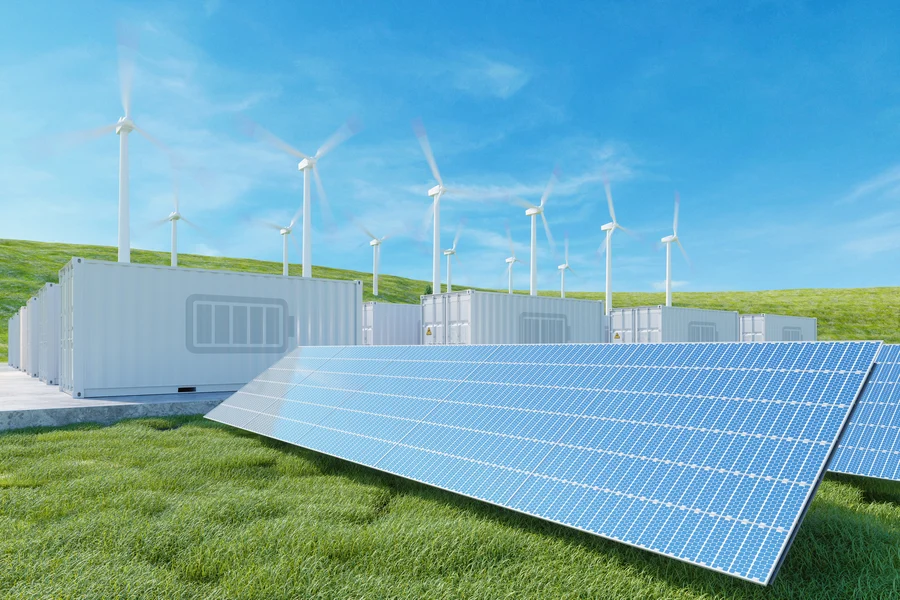
Africa’s mining industry, a vital source of gold, platinum, and copper, has long relied on diesel generators to power operations, particularly in remote regions. However, skyrocketing fuel costs, environmental regulations, and unreliable grids are driving mines in South Africa, Kenya, and Nigeria to adopt solar-plus-storage systems. These combine solar photovoltaic (PV) panels with Commercial and Industrial Battery Energy Storage Systems (C&I BESS) using Lithium Iron Phosphate (LFP) batteries to deliver cost-effective, reliable, and sustainable energy. Why this technology shift is gaining momentum and how geography shapes its adoption across these three key markets?
The Challenges of Diesel in African Mining
Diesel generators have been a staple for mines, but they come with significant drawbacks:
High Costs: In Nigeria, diesel prices reached $0.85 per liter in 2025, inflating operational expenses.
Supply Disruptions: Fuel shortages and logistical challenges disrupt production schedules.
Environmental Impact: Diesel-powered mines produce high CO2 emissions, conflicting with global sustainability mandates.
Grid Unreliability: South Africa’s load shedding caused over 1,300 hours of outages in 2024, while Nigeria’s grid meets less than 40% of mining energy needs.
Solar-plus-storage, powered by LFP batteries, offers a smarter solution, leveraging abundant sunlight and advanced energy storage to cut costs, ensure uptime, and reduce emissions.
Why Mines Are Adopting Solar-Plus-Storage with LFP Batteries
1. Lower Energy Costs
Solar-plus-storage systems with LFP batteries reduce reliance on costly diesel. By storing solar energy, mines can use low-cost renewable power during peak demand, saving 20-30% on energy bills through peak shaving. In Nigeria, where electricity rates can hit $0.17 per kWh, these savings significantly boost profitability.
2. Uninterrupted Power Supply
C&I BESS with LFP batteries delivers instant backup power during grid failures or low solar output. With fast response time, LFP batteries keep critical mining equipment running, minimizing costly downtime. This is critical in South Africa, where grid instability remains a major callenge.
3. Sustainability and Compliance
Global pressure for greener practices is reshaping mining. Solar-plus-storage systems with LFP batteries cut carbon emissions by integrating renewable energy, helping mines comply with regulations like South Africa’s carbon tax, updated in 2025 to increase penalties. This aligns with investor demands for strong ESG (Environmental, Social, Governance) performance.
4. Flexible and Scalable Solutions
Solar-plus-storage systems with LFP batteries are modular, with power ranging from 30 kW to 30 MW, 1-4 hour systems, making them ideal for mines of all sizes. LFP’s high safety and long cycle life (up to 10,000 cycles) suit the diverse needs of operations in South Africa’s large-scale mines, Kenya’s remote sites, and Nigeria’s growing sector.
Geography Driving the Solar-Plus-Storage Revolution
South Africa: Harnessing Solar to Combat Load Shedding
South Africa’s mining industry, a global leader in platinum and gold, faces chronic grid challenges due to Eskom’s load shedding, which disrupted operations for over 1,300 hours in 2024. With solar irradiance averaging 5.6 kWh/m²/day, the country is ideal for solar PV. Mines like Anglo American’s Sishen Iron Ore Mine are adopting solar-plus-storage with LFP batteries, using a 100 MW solar plant and 50 MWh BESS to reduce diesel use by 40%. These systems ensure reliable power and cut costs, with payback periods often under 7 years.
Kenya: Solar Power for Remote Mining
Kenya’s mining sector, focused on titanium and soda ash, operates in remote regions with limited grid access. The country’s high solar potential (up to 6.2 kWh/m²/day) and tax incentives for renewables drive solar-plus-storage adoption. The Magadi Soda Mine uses a 12 MW solar PV system with a 6 MWh LFP BESS, cutting diesel use by 35% and stabilizing off-grid operations. Kenya’s renewable energy investments, projected to grow by 15% in 2026, further support this transition.
Nigeria: Addressing Grid Failures with Renewables
Nigeria’s mining industry, including gold and limestone, struggles with a grid supplying less than 4,000 MW nationwide. Diesel costs ($0.85/liter) and solar irradiance of 5-6 kWh/m²/day make solar-plus-storage with LFP batteries a compelling solution. A project in Kaduna State pairs a 1.5 MW solar plant with a 3 MWh LFP BESS, reducing energy costs by 28% and ensuring consistent power. Nigeria’s renewable energy sector, expected to attract $12 billion by 2030, is accelerating this shift.
Key Projects Leading the Transition
Sishen Iron Ore Mine, South Africa
System: 100 MW solar + 50 MWh LFP BESS
Impact: Cuts diesel use by 40%, supporting high-energy iron ore processing.
Why It Matters: A benchmark for large-scale solar-plus-storage in South Africa.Magadi Soda Mine, Kenya
System: 12 MW solar + 6 MWh LFP BESS
Impact: Reduces diesel consumption by 35% in remote operations.
Why It Matters: Shows how solar-plus-storage thrives in off-grid settings.Kaduna Mining Project, Nigeria
System: 1.5 MW solar + 3 MWh LFP BESS
Impact: Lowers energy costs by 28% and ensures reliable power.
Why It Matters: Tackles Nigeria’s grid challenges with cost-effective renewables.Zondereinde Mine, South Africa
System: 180 MW solar + LFP BESS
Impact: Generates 220 GWh annually, meeting 15% of energy needs and reducing emissions.
Why It Matters: A model for sustainable platinum mining.Kipevu Mining Facility, Kenya
System: 15 MW solar + 10 MWh LFP BESS
Impact: Cuts carbon emissions by 22,000 tons annually.
Why It Matters: Highlights Kenya’s push for green mining practices.
The Future of Solar-Plus-Storage with LFP Batteries
The global BESS market is projected to reach 1,200 GW by 2030, with C&I systems accounting for 560 GWh. LFP batteries, known for their safety, long cycle life, and cost-effectiveness, are driving this growth in South Africa, Kenya, and Nigeria. South Africa’s load-shedding issues, Kenya’s remote operations, and Nigeria’s unreliable grid make solar-plus-storage with LFP batteries a perfect fit, offering energy independence, cost savings, and sustainability.
Key Benefits of Solar-Plus-Storage with LFP Batteries:
Cost Savings: Reduce energy costs by up to 30% with peak shaving and load shifting.
Reliability: Instant backup power minimizes downtime during outages.
Sustainability: Lower emissions to meet environmental regulations and ESG goals.
Safety and Durability: LFP batteries offer up to 10,000 cycles and high thermal stability for harsh mining environments.
Join the Solar-Plus-Storage Movement
The shift from diesel to solar-plus-storage with LFP batteries is revolutionizing mining in South Africa, Kenya, and Nigeria, delivering reliable, affordable, and green energy tailored to each region’s needs. Mines adopting this technology can boost profits, ensure uptime, and lead in sustainable practices.
Ready to power your mine with solar-plus-storage? Contact NextG Power for tailored LFP BESS solutions that drive results.
Keywords: solar-plus-storage, C&I BESS, LFP batteries, African mining, South Africa mining, Kenya mining, Nigeria mining, renewable energy, diesel reduction, energy reliability, sustainability.