
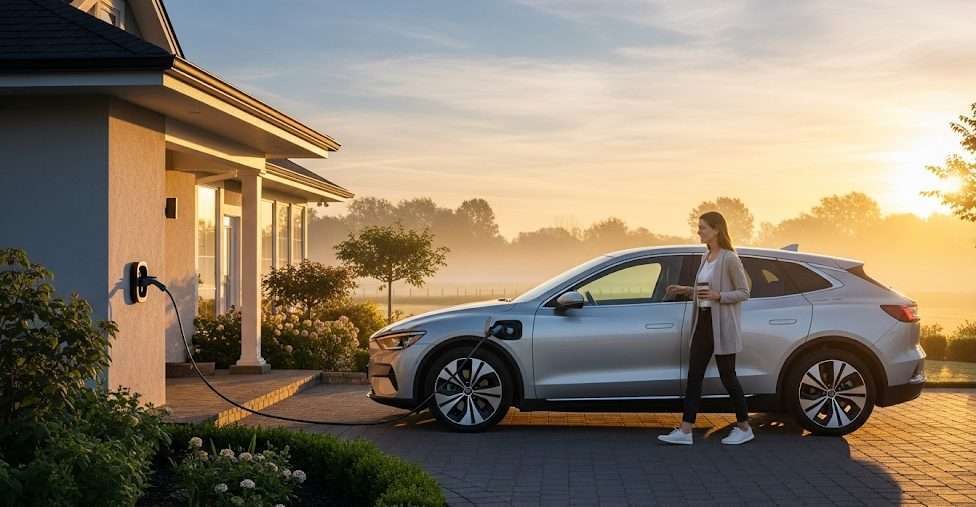
Switching to an electric vehicle brings a new ritual: plugging in. But between different plugs, charging speeds, and costs, it can feel overwhelming. The good news? It’s much simpler than it seems.
Whether you’re charging at home, at work, or on a road trip, understanding the basics ensures you can power your car efficiently and economically. This guide will demystify the types of chargers, explain how long it really takes to charge, and break down the costs involved.
The Three Levels of EV Charging: Slow, Fast, and Super-Fast
Think of Carga de vehículos eléctricos in three tiers, each with a specific use case.
Level 1 Charging (120V): This is convenience charging. You plug your car into any standard household outlet using the cable that almost always comes with your EV. It’s slow but requires no extra equipment or installation.
Level 2 Charging (240V): This is the workhorse for daily use. Found at homes, workplaces, and public spots like grocery stores, it uses a higher-voltage circuit (like your dryer) to charge your car significantly faster.
DC Fast Charging (DCFC): This is for road trips and quick top-ups. These high-powered stations, offered by networks like Electrify America and Tesla Superchargers, can add hundreds of miles of range in under an hour. You’ll find them along highways and major routes.
Charging Speed Showdown: How Long Does It Really Take?
| Charging Level | Potencia de salida | Miles of Range Added Per Hour | Ideal para |
|---|---|---|---|
| Level 1 (120V) | around 1.4 kW | 3 – 5 miles | Overnight charging for low daily mileage, plug-in hybrids, emergencies. |
| Level 2 (240V) | 7 – 19 kW | 25 – 45 miles | Primary home charging. Full recharge overnight, workplace charging. |
| Carga rápida de CC | 50 – 350 kW | 150 – 1,000+ miles | Long-distance travel. Getting an 80% charge in 20-45 minutes on a road trip. |
For daily use, Level 2 is king. Level 1 is a good backup, and DCFC is your lifeline on the open road.
Understanding the Cost to Charge an EV
The cost to “fill up” is almost always cheaper than gas, but it varies based on where you plug in.
Home Charging: This is almost always the cheapest option. You pay your standard electricity rate, measured in cents per kilowatt-hour (kWh).
Ejemplo: The U.S. average electricity rate is ~16¢/kWh. For an EV with a 70 kWh battery, a full charge costs about $11.20. That can provide over 250 miles of range—a fraction of the cost of a tank of gas.
Public Charging (Level 2): Often found at malls or parking garages, these can be free, subscription-based, or pay-per-use. Costs are typically higher than home charging but lower than DCFC.
DC Fast Charging: This is the most expensive way to charge, akin to premium gasoline. You pay a premium for the speed and convenience, often through a per-kWh fee or a per-minute fee.
Pro Tip: To maximize savings at home, charge during off-peak hours (usually overnight) if your utility offers a time-of-use rate plan.
Know Your Plugs: J1772, CCS, NACS, and CHAdeMO
Don’t let the alphabet soup of plugs confuse you. It’s simpler than it looks.
J1772 (J-Plug): This is the standard connector for all Level 1 and Level 2 charging in North America for non-Teslas. Every EV sold here (including Teslas with an included adapter) can use a J1772 plug.
CCS (Combined Charging System): This is essentially a J1772 plug with two extra pins at the bottom. It’s the most common standard for DC Fast Charging for brands like Ford, GM, Hyundai, Kia, and Volkswagen.
NACS (North American Charging Standard): This is Tesla’s connector. In a huge industry shift, virtually every major automaker (Ford, GM, Rivian, Volvo, etc.) has announced plans to adopt the NACS port starting in 2025. This will soon make it the new universal standard.
CHAdeMO: This is an older DC fast-charging standard primarily used by Nissan Leafs and some Mitsubishi models. Its use is declining in favor of CCS and NACS.
The Good News: Adapters are widely available and reliable. A Tesla owner can use a J1772 adapter for Level 2 charging, and soon, non-Tesla drivers will be able to use Superchargers with a NACS adapter.
The Beginner’s Checklist: Getting Ready to Charge
Understand Your Driving Needs: How many miles do you drive on an average day? This will determine if Level 1 is sufficient or if you need to explore Level 2.
Assess Your Home Setup: Do you have a garage, driveway, or dedicated parking spot near an outlet? This is key for home charging.
Research Your Utility Rates: Check your electric bill or utility website for kWh rates and ask about EV-specific time-of-use plans for extra savings.
Map Your Local Chargers: Use apps like PlugShare or ChargePoint to find public Level 2 and DCFC stations near your home, work, and frequent destinations.
Get a Quote: If you’re considering a Level 2 home charger, get an assessment from a qualified electrician. They can check your panel’s capacity and provide an accurate installation quote.
Embracing Carga de vehículos eléctricos is a key part of the electric driving experience. With this foundational knowledge, you can plug in with confidence, save money on fuel, and enjoy the ride.
Contáctanos for a win-win business cooperation!