
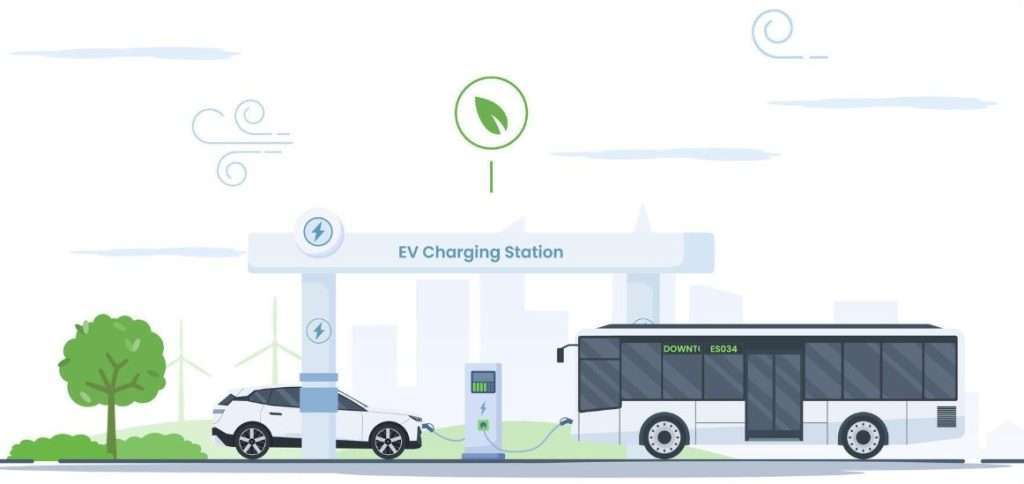
In Mexico, drivers face a critical decision: which charging method best suits their needs? With the rise of EV adoption in cities like Mexico City, Guadalajara, and Monterrey, understanding the differences between Level 2 charging and DC fast charging is essential for optimizing convenience, cost, and efficiency. This article breaks down both options, tailored to the needs of Mexico’s EV drivers, to help you make an informed choice.
Understanding EV Charging in Mexico
Mexico’s EV market is growing, driven by increasing environmental awareness, government incentives, and expanding charging infrastructure. According to recent data, Mexico had over 1,200 public charging stations by mid-2025, with more planned in urban and tourist areas. However, not all chargers are created equal. The two primary options—Level 2 and DC fast charging—offer distinct advantages depending on your driving habits, location, and vehicle type.
This guide addresses common questions Mexican EV drivers ask: How fast is each charging method? What are the costs? Where are chargers available? And which option is best for your lifestyle?
What Is Level 2 Charging?
Level 2 charging uses a 240-volt power source, similar to what powers household appliances like dryers. It’s the most common charging method for home and public stations in Mexico, offering a balance of speed and accessibility.
Key Features of Level 2 Charging
Charging Speed: Delivers 6.6–19.2 kW, adding about 30–80 km of range per hour, depending on the vehicle and charger.
Availability: Widely available at homes, workplaces, malls, and public parking lots in cities like Mexico City and Puebla.
Cost: Affordable, especially for home charging, where electricity rates are lower (around MXN 1.5–3 per kWh). Public Level 2 chargers may cost MXN 5–10 per kWh.
Installation: Home chargers cost MXN 15,000–30,000 to install, with potential subsidies from programs like CFE’s energy efficiency incentives.
Pros of Level 2 Charging
Cost-Effective: Lower per-kWh rates make it economical for daily use.
Convenient for Overnight Charging: Ideal for drivers who can charge at home or work.
Widespread Access: Found in urban areas, hotels, and commercial centers across Mexico.
Gentler on Batteries: Slower charging reduces battery wear over time.
Cons of Level 2 Charging
Slower Speeds: Takes 4–8 hours for a full charge, less suitable for quick top-ups.
Limited Rural Availability: Infrastructure is concentrated in urban areas, posing challenges for long-distance travel.
What Is DC Fast Charging?
DC fast charging, also known as Level 3 charging, uses high-voltage direct current to charge EVs rapidly. It’s designed for drivers needing quick turnarounds, such as during road trips or in busy urban settings.
Key Features of DC Fast Charging
Charging Speed: Delivers 50–350 kW, adding 100–300 km of range in 20–40 minutes.
Availability: Found along major highways (e.g., Mexico City–Querétaro corridor) and in select urban stations, with networks like Tesla Superchargers and ChargePoint expanding.
Cost: Higher, typically MXN 10–20 per kWh, due to specialized equipment and demand charges.
Compatibility: Not all EVs support DC fast charging (check your vehicle’s specs, e.g., Tesla Model 3 or Nissan Leaf Plus).
Pros of DC Fast Charging
Rapid Charging: Perfect for long-distance travel or time-sensitive schedules.
Expanding Network: New stations are popping up along Mexico’s toll roads and in tourist hubs like Cancún and Los Cabos.
Ideal for Fleets: Useful for commercial EVs, such as taxis or delivery vans in Mexico City.
Cons of DC Fast Charging
Higher Costs: More expensive per kWh, impacting long-term budgets.
Battery Stress: Frequent use may degrade battery health over time.
Limited Availability: Fewer stations than Level 2, especially outside major cities.
Comparing Level 2 and DC Fast Charging for Mexico’s EV Drivers
To choose the best option, consider your driving habits, location, and budget. Here’s a side-by-side comparison:
Feature | Level 2 Charging | |
|---|---|---|
Speed | 30–80 km/hour | 100–300 km in 20–40 min |
Cost per kWh | MXN 1.5–10 | MXN 10–20 |
Best For | Daily commuting, overnight charging | Road trips, quick top-ups |
Availability | Widespread in urban areas | Limited, mostly highways and select hubs |
Battery Impact | Minimal | Higher with frequent use |
Scenarios for Mexico’s Drivers
Urban Commuters: If you drive in cities like Guadalajara or Monterrey, Level 2 charging at home or work is likely sufficient. Overnight charging covers daily commutes (average 30–50 km), and public Level 2 stations are common in malls and offices.
Long-Distance Travelers: For trips like Mexico City to Puerto Vallarta, DC fast chargers along highways are essential. Plan routes using apps like PlugShare to locate stations.
Rural Drivers: Limited infrastructure outside urban areas makes Level 2 home charging critical, with occasional DC fast charging for longer trips.
Mexico’s Charging Infrastructure: Current State and Future Outlook
Mexico’s EV charging network is expanding, but challenges remain. Urban areas have robust Level 2 networks, with stations at supermarkets (e.g., Walmart, Soriana) and public parking. DC fast chargers are growing along major routes, supported by companies like Evergo and government initiatives. However, rural areas like Oaxaca or Chiapas lag, making Level 2 home charging a necessity for many.
By 2030, Mexico aims to install 5,000+ charging stations, with federal programs incentivizing renewable energy integration. This growth will likely boost DC fast charging availability, but Level 2 will remain the backbone for daily use.
Cost Considerations for Mexican Drivers
Cost is a key factor. Home Level 2 charging is the cheapest, especially with CFE’s discounted nighttime rates. For example, charging a 60 kWh battery at MXN 2/kWh costs about MXN 120 for a full charge. DC fast charging, at MXN 15/kWh, could cost MXN 900 for the same charge—seven times more.
Public Level 2 chargers are pricier than home charging but still cheaper than DC fast chargers. Budget-conscious drivers should prioritize Level 2 and use DC fast charging sparingly.
Environmental and Practical Factors
Both charging types align with Mexico’s push for sustainability, but Level 2 charging often uses cleaner grid energy, especially with solar-powered home setups. DC fast chargers, while convenient, may rely on less sustainable peak grid power. For eco-conscious drivers, combining Level 2 with renewable energy is ideal.
Practically, Level 2 suits drivers with predictable schedules, while DC fast charging is better for those needing flexibility, like delivery drivers or tourists exploring Baja California.
Which Is Best for You?
Choose Level 2 If: You have access to home or workplace charging, drive mostly in cities, and want to save money. It’s ideal for daily routines and battery longevity.
Choose DC Fast Charging If: You frequently travel long distances, need quick charges, or operate a commercial EV. It’s perfect for highways and urgent top-ups.
For most Mexican drivers, a combination works best: Level 2 for daily use and DC fast charging for occasional long trips. Use apps like ChargePoint or Google Maps to locate stations and plan efficiently.
Take Charge of Your EV Journey
Mexico’s EV landscape is evolving, and choosing the right charging method can enhance your driving experience. Whether you prioritize cost, speed, or convenience, understanding Level 2 and DC fast charging empowers you to make smart decisions. Explore charging options near you, install a home charger for savings, or plan your next road trip with confidence—start driving smarter today!