
One of the key advantages of LFP batteries is their low cost. These batteries use iron phosphate as the cathode material, which is cheaper than the cobalt or nickel-based materials used in other lithium-ion batteries. In addition, LFP batteries have a relatively simple manufacturing process, which helps to keep costs low.
The cost of LFP batteries has been steadily decreasing in recent years, due in part to advances in manufacturing processes and an increase in production capacity. In addition, the development of new battery chemistries, such as lithium-sulfur and lithium-air, has the potential to further reduce the cost of LFP batteries in the future.
Another factor that impacts the cost of LFP battery storage systems is the size of the system. Larger systems will generally cost more than smaller systems, as they require more batteries and other components. However, the cost per unit of electricity stored tends to decrease as the size of the system increases, due to economies of scale.
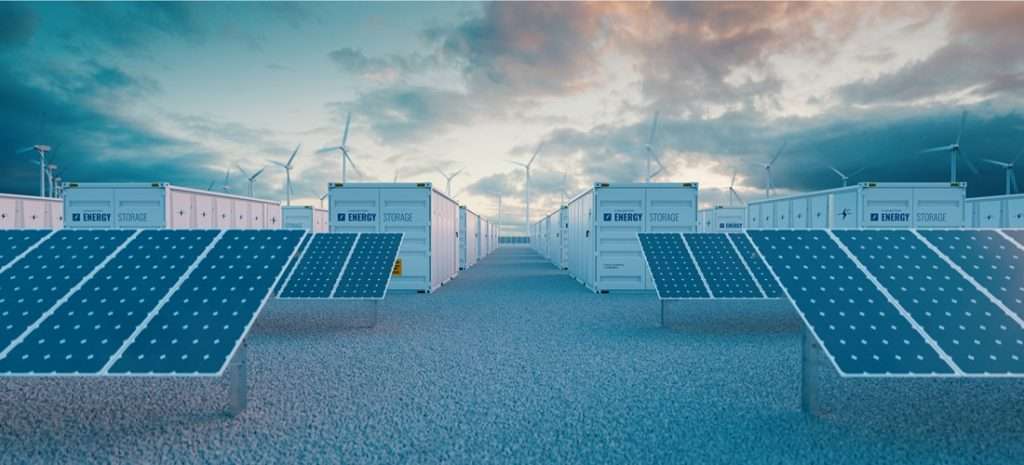
The cost of installation and maintenance is also an important consideration when evaluating the cost of an LFP battery storage system. These costs can vary widely depending on the location and complexity of the installation. In general, LFP battery storage systems are relatively simple to install and maintain, which helps to keep these costs in check.
So, how does the cost of LFP battery storage systems compare to other technologies? One of the primary alternatives to LFP batteries is pumped hydroelectric storage, which involves pumping water uphill to a reservoir when electricity is abundant, and then allowing it to flow back down through a turbine to generate electricity when it is needed. This technology is well-established and has a relatively low cost, but it is limited by the availability of suitable locations for the reservoirs.
Another alternative to LFP batteries is flywheel energy storage, which involves storing energy in the form of kinetic energy in a spinning flywheel. This technology is relatively new and is still in the development phase, so it is not yet widely available.
Overall, LFP batteries are currently one of the cheapest options for storing electricity, and their cost is likely to continue to decline in the future as new technologies and manufacturing processes are developed. While other technologies, such as pumped hydroelectric storage and flywheel energy storage, may offer some advantages in certain circumstances, they are not yet able to compete with LFP batteries in terms of cost.
In conclusion, LFP batteries are a cost-effective choice for electricity storage, due to their low cost, long lifespan, and high safety profile. With their ease of installation and maintenance, and their ability to be scaled to a wide range of applications, LFP batteries are a reliable choice for electricity storage.