
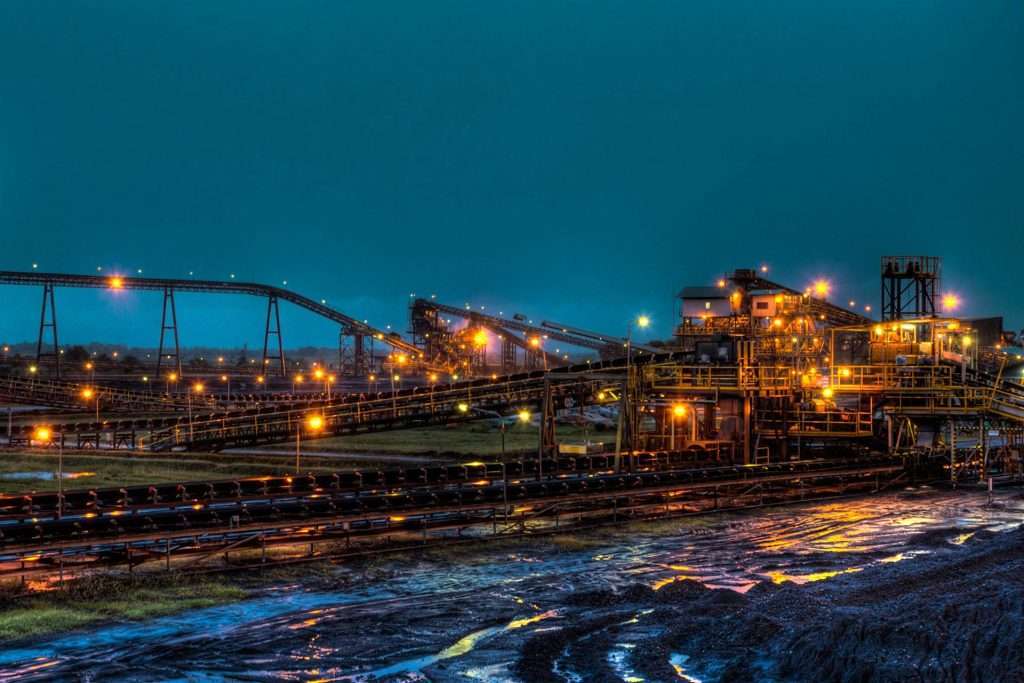
Africa’s critical mineral reserves, particularly lithium and cobalt, are pivotal to the global energy transition, powering electric vehicles (EVs) and renewable energy storage systems. As demand for these minerals surges, the mining sector faces a dual challenge: meeting production goals while addressing energy reliability and sustainability. Battery Energy Storage Systems (BESS), especially Commercial and Industrial (C&I BESS), are emerging as a cornerstone for Africa’s mining energy needs, enabling hybrid power solutions for mines and supporting sustainable growth. Africa mining energy solutions are driving the continent’s critical mineral boom, with insights from case studies like the Ergo and Mulilo projects and investment trends from the Emerging Africa & Asia Infrastructure Fund (EAAIF) and Private Infrastructure Development Group (PIDG).
The Role of BESS in Africa’s Mining Sector
Africa holds approximately 30% of the world’s critical mineral reserves, with the Democratic Republic of Congo (DRC) alone accounting for over 70% of global cobalt production and Zimbabwe leading as a top lithium producer. The mining sector, however, is energy-intensive, often operating in remote areas with unreliable grid access. Battery storage mining solutions, particularly C&I BESS, address these challenges by storing energy from renewable sources like solar or off-peak grid supply and dispatching it during peak demand or outages. This ensures operational continuity, reduces reliance on costly diesel generators, and aligns with global decarbonization goals.
C&I BESS systems, designed for commercial and industrial applications, offer scalable and flexible energy storage tailored to the high-power demands of mining operations. By integrating hybrid power solutions for mines, such as solar photovoltaic (PV) plants paired with BESS, mining companies can lower energy costs, stabilize power supply, and reduce carbon emissions. For instance, BESS can balance grid frequency, defer transmission upgrades, and replace diesel peakers, making it a versatile tool for Africa mining energy systems.
Case Studies: Ergo and Mulilo Mining Projects
Ergo Mining: Solar and BESS Integration
The Ergo Mining operation in South Africa exemplifies how solar storage mining projects enhance energy efficiency. Ergo has implemented a hybrid power solution combining a solar PV plant with C&I BESS to address South Africa’s frequent power outages and rising energy costs. This system allows Ergo to store excess solar energy generated during the day and use it during peak demand or grid failures, ensuring uninterrupted operations. By reducing dependence on the national grid, Ergo not only cuts costs but also aligns with South Africa’s Just Energy Transition, showcasing how battery storage mining can drive sustainability in the sector.
Mulilo’s BESS Success in South Africa
Mulilo, a leading independent power producer (IPP) in South Africa, has positioned C&I BESS as a core component of its energy strategy. Through the Battery Energy Storage Independent Power Producer Procurement Programme (BESIPPPP), Mulilo secured 1 GWh of storage capacity in its first bidding round and an additional 1.97 GWh in subsequent rounds, partnering with companies like EDF. Mulilo’s projects demonstrate the scalability of battery storage mining solutions, enabling mines to integrate renewable energy seamlessly. By leveraging BESS financing Africa initiatives, Mulilo has shown how private-sector investment can accelerate the adoption of hybrid systems, ensuring grid stability and cost efficiency for mining operations.
The Synergy of BESS and Critical Mineral Mining
The synergy between C&I BESS and Africa’s critical mineral boom lies in their mutual reinforcement. Lithium and cobalt, mined extensively in the DRC, Zimbabwe, and Mali, are key components of lithium-ion batteries used in BESS. As global demand for these minerals is projected to rise—lithium by 40 times and cobalt by 20 times by 2040—mining operations require reliable energy to scale production. Hybrid power solutions for mines, combining solar, wind, or hydropower with BESS, provide this reliability while reducing environmental impact.
Moreover, BESS financing in Africa is unlocking new opportunities. The Emerging Africa & Asia Infrastructure Fund (EAAIF), part of the Private Infrastructure Development Group (PIDG), has been instrumental in funding renewable energy projects, including a €30 million loan for a 46MW biomass power station in Côte d’Ivoire and $33 million for data centers in the DRC and other African nations. These investments highlight a growing trend of financing sustainable energy infrastructure, which supports solar storage mining projects and enhances the mining sector’s energy resilience.
Investment Trends: EAAIF and PIDG Leading the Way
The EAAIF and PIDG are at the forefront of BESS financing in Africa, catalyzing infrastructure development to support the mining sector. EAAIF’s focus on long-term commercial debt for renewable energy projects aligns with the needs of Africa mining energy systems. For example, its investment in Vietnam’s rooftop solar projects for commercial and industrial clients demonstrates a model that could be replicated in African mining hubs. Similarly, PIDG’s emphasis on inclusive infrastructure ensures that energy solutions benefit both mining companies and local communities, fostering sustainable development.
Recent trends show a shift toward regional collaboration, as seen in the DRC and Zambia’s memorandum of understanding to develop a lithium-ion battery value chain. Such initiatives, supported by institutions like the African Development Bank (AfDB) and the African Export-Import Bank (Afreximbank), aim to move Africa beyond raw material exports toward processing and manufacturing, further driving demand for reliable battery storage mining solutions.
Challenges and Opportunities
While C&I BESS offers immense potential, challenges remain. High upfront costs and limited local refining capacity can hinder adoption. Additionally, socio-environmental concerns, such as unsafe working conditions and ecological damage from mining, must be addressed to ensure a just energy transition. BESS financing initiatives, like those from EAAIF and PIDG, can mitigate these challenges by providing capital for sustainable projects, while technological advancements, such as lithium-iron-phosphate (LFP) batteries, reduce reliance on cobalt and lower costs.
Opportunities abound for mining companies to leverage hybrid power solutions for mines. By integrating solar storage mining projects, companies can reduce operational costs by up to 20%, as seen in projects like Gold Fields’ 40 MW solar PV plant in South Africa. Furthermore, BESS enables revenue stacking, allowing mines to participate in energy trading and ancillary services, enhancing economic viability.
Powering Africa’s Mineral Future
The convergence of Africa mining energy solutions is transforming the continent’s critical mineral sector. Projects like Ergo and Mulilo demonstrate the practical benefits of hybrid power solutions for mines, while investment trends from EAAIF and PIDG highlight the financial support driving this transformation. As Africa positions itself as a global leader in lithium and cobalt production, BESS financing in Africa and solar storage mining projects will be critical to ensuring sustainable, reliable, and cost-effective energy for mining operations. By embracing these technologies, Africa can not only meet global demand for critical minerals but also pave the way for a greener, more prosperous future.