
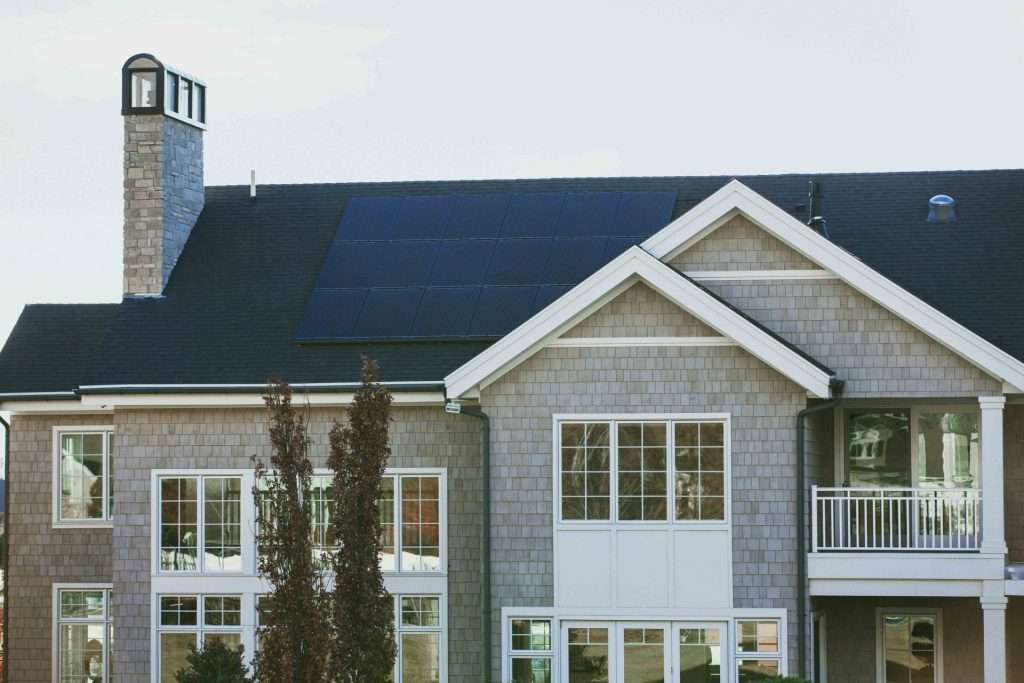
Solar panels generate clean energy year-round, but their output fluctuates with the seasons. Understanding how winter’s shorter days and summer’s intense heat impact your system’s performance is key to optimizing energy savings. In this guide, we break down solar panel power output in winter vs summer, explain the science behind seasonal changes, and share actionable tips to keep your system efficient.
Why Solar Panel Output Varies by Season
Sunlight Hours:
Summer: Longer days with 12–14 hours of sunlight (ideal for solar).
Winter: Shorter days with 6–8 hours of sunlight (reduces daily production).
Sun Angle:
Summer: Higher sun angle maximizes energy capture.
Winter: Lower sun angle reduces panel efficiency (especially at higher latitudes).
Temperature:
Summer Heat: Panels lose ~0.5% efficiency per 1°C above 25°C (77°F).
Winter Cold: Cooler temps boost efficiency, but shorter days offset gains.
Weather Conditions:
Winter: Snow, clouds, and storms block sunlight.
Summer: Clear skies boost output, but extreme heat can reduce efficiency.
Solar Panel Output Comparison: Winter vs Summer
| Season | Avg. Daily Output per kW System | Key Influences |
|---|---|---|
| Summer | 4–6 kWh | Long days, high sun angle, heat-induced losses |
| Winter | 1.5–3 kWh | Short days, low sun angle, snow/cloud cover |
Example: A 6kW solar system produces:
Summer: 24–36 kWh/day (enough to power most homes).
Winter: 9–18 kWh/day (may require grid backup).
Regional Variations in Seasonal Output
Sunny Climates (e.g., Arizona, California):
Winter output drops 20–30% vs summer.
Northern/Colder Regions (e.g., Canada, UK):
Winter output drops 40–60% due to extreme latitude and snow.
Cloudy Coastal Areas (e.g., Seattle):
Summer output can be 2–3x higher than winter.
How to Maximize Winter Solar Production
Adjust Panel Tilt: Optimize angle for winter sun (steeper than summer).
Clear Snow Promptly: Brush off panels to restore sunlight exposure.
Use Micro-Inverters: Minimize shading losses from shorter days.
Pair with Batteries: Store summer surplus to offset winter shortages.
Summer Solar Tips
Cool Panels: Ensure airflow around arrays to combat heat losses.
Trim Shading Trees: Prevent shadows during peak sun hours.
Monitor Output: Watch for dust buildup and clean panels regularly.
FAQs About Seasonal Solar Output
Q: Do solar panels work in winter?
A: Yes! They generate power even on cold, cloudy days—just less than summer.
Q: Can snow damage panels?
A: No. Panels are durable, and snow often slides off angled setups.
Q: How much will my bills rise in winter?
A: Depends on your system size and energy use. Batteries or net metering can help.
Solar panels produce 2–3x more energy in summer than winter, but strategic planning—like adjusting panel angles, adding storage, or leveraging net metering—can balance seasonal gaps.
Maximize Your Solar Energy with a NextG Power Energy Home Battery
Harness the full potential of your solar panels by storing excess energy in a home battery. NextG Power Energy’s advanced battery systems, paired with smart EV chargers and inverters, seamlessly integrate with our user-friendly app—putting total command of your home’s energy in your hands. Monitor usage, prioritize backups, and slash your reliance on the grid, all while reducing your carbon footprint.
Build a smarter, eco-conscious home with NextG Power Energy. Our experts will guide you in selecting the perfect solar battery setup to match your energy goals and lifestyle.
Reach out today to unlock year-round savings and step confidently toward a cleaner, energy-independent future.