
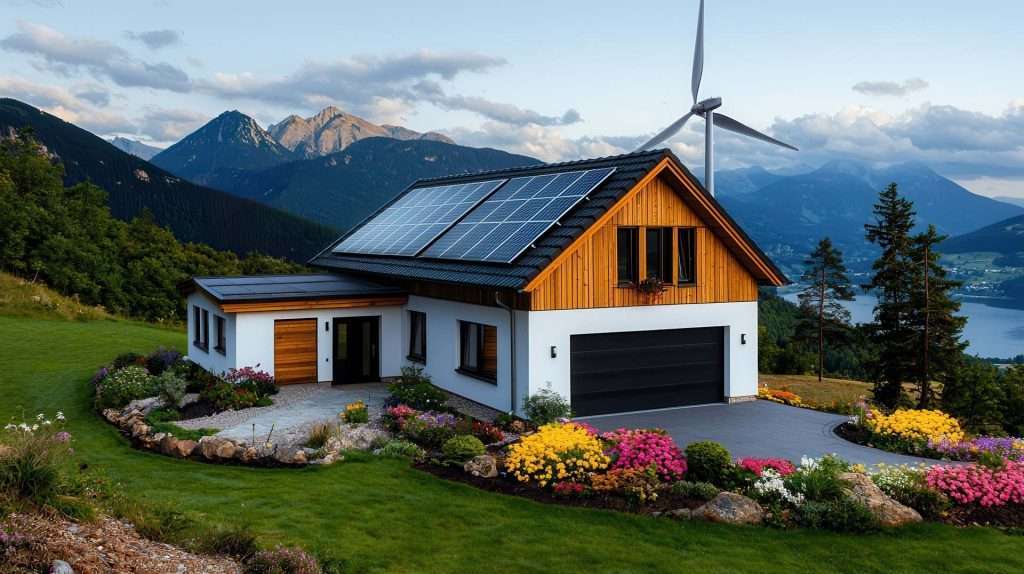
As homeowners increasingly seek reliable backup power and sustainable energy solutions, two systems stand out: standalone inverter batteries and hybrid home battery storage systems. Both provide backup power during outages, but they differ significantly in functionality, efficiency, and integration with renewable energy. This guide compares the two to help you decide which is best for your home energy needs.
What Is a Standalone Inverter Battery?
A standalone inverter battery is a simple, cost-effective solution designed to store energy and provide backup power during grid outages. It typically consists of a battery (e.g., lead-acid, AGM, gel, or lithium-ion) paired with an inverter that converts stored DC (direct current) power into AC (alternating current) for household appliances. These systems are often used in off-grid settings or as basic backup solutions.
Key Features of Standalone Inverter Batteries
Backup Power: Provides electricity for essential loads like lights, fans, and small appliances during outages.
Solar Integration: Can store surplus solar energy with a compatible solar setup and charge controller.
Off-Grid Use: Ideal for remote locations, RVs, or boats where grid power is unavailable.
Operation: Charges via grid or solar power, stores energy as DC, and converts it to AC during discharge.
Limitations: Standalone systems lack advanced energy management, may experience power fluctuations, and are typically sized for partial home backup, not whole-home power. Lead-acid batteries require regular maintenance, such as watering and terminal cleaning.
What Is a Hybrid Home Battery Storage System?
A hybrid home battery storage system is an advanced, integrated solution that combines a battery(normally with LFP batteries), a hybrid inverter, and an energy management controller. It intelligently manages multiple energy sources—solar, grid, generators, and even electric vehicles (EVs)—to optimize power usage and provide whole-home backup. These systems are designed for efficiency, flexibility, and sustainability.
Key Features of Hybrid Systems
Whole-Home Backup: Supports larger loads, including heavy appliances, with stable voltage output.
Smart Energy Management: Prioritizes clean energy sources (e.g., solar) and optimizes consumption based on time-of-use (TOU) rates.
Seamless Integration: Works with solar panels, grid power, and EVs, often with real-time monitoring via apps.
Advanced Voltage Regulation: Ensures consistent power for sensitive electronics, reducing the risk of damage.
Limitations: Higher upfront costs and complexity compared to standalone systems, though prices are becoming more competitive.
Comparing Standalone Inverter Batteries and Hybrid Home Battery Systems
Feature | Standalone Inverter Battery | Hybrid Home Battery Storage System |
|---|---|---|
Backup Capacity | Partial home (essential loads) | Whole-home backup |
Energy Sources | Grid or solar (with charge controller) | Solar, grid, generators, EVs |
Energy Management | Basic, no smart optimization | Advanced, with TOU and load prioritization |
Voltage Stability | Limited regulation, possible fluctuations | Stable output for sensitive electronics |
Cost | Lower upfront cost | Higher upfront cost, but more efficient |
Maintenance | Higher for lead-acid batteries | Lower, especially with lithium-ion |
Best For | Off-grid, basic backup, budget-conscious | Whole-home power, sustainability-focused |
Benefits of Standalone Inverter Batteries
Affordability: Lower initial costs, especially with lead-acid batteries(or upgrade with LFP batteries), make them accessible for budget-conscious homeowners.
Simplicity: Easy to install and operate, ideal for basic backup needs or off-grid applications like RVs or cabins.
Solar Compatibility: Can store excess solar energy with a charge controller, suitable for small solar setups.
Reliability: Resilient for deep discharge cycles, ensuring consistent performance in outages.
Best For: Homeowners needing basic backup power, off-grid enthusiasts, or those with limited budgets.
Benefits of Hybrid Home Battery Storage Systems
Whole-Home Support: Powers entire homes, including high-demand appliances, during outages.
Energy Efficiency: Optimizes energy use by prioritizing solar power and storing excess for off-peak use, reducing reliance on the grid.
Sustainability: Integrates with renewables, lowering carbon footprints and aligning with TOU rates for cost savings.
Smart Features: Real-time monitoring and load-shedding technology prioritize critical appliances, extending battery life during outages.
Best For: Homeowners with solar systems, EV owners, or those seeking advanced energy management and sustainability.
How Do They Work with Time-of-Use (TOU) Rates?
Standalone Inverter Batteries: These systems can be charged during off-peak hours to save on electricity costs, but they lack intelligent energy management to optimize TOU savings automatically. Users must manually schedule charging to align with lower rates.
Hybrid Home Battery Systems: Designed for TOU optimization, these systems automatically charge during off-peak hours and discharge during peak hours, maximizing savings. Their energy management controllers integrate with utility rate schedules to reduce bills and prioritize clean energy.
Which System Is Right for You?
Choose a standalone inverter battery if:
You need a cost-effective solution for basic backup power.
You live off-grid or in a remote location (e.g., RV camping or rural cabins).
Your energy needs are minimal, focusing on essential loads like lights or small appliances.
You have a limited budget and don’t require advanced features.
Choose a hybrid home battery storage system if:
You want whole-home backup power and stable voltage for sensitive electronics.
You have or plan to install a solar system and want to maximize self-consumption.
You own an EV and want to integrate it as a backup power source.
You’re focused on sustainability and optimizing TOU rates for long-term savings.
Tips for Choosing the Right System
Assess Your Energy Needs: Calculate your daily energy consumption (kWh) and peak load (kW) to determine the required capacity. Hybrid systems suit larger homes, while standalone systems work for smaller loads.
Consider Solar Integration: If you have or plan to install solar panels, a hybrid system offers better efficiency and control.
Evaluate Budget: Standalone systems are cheaper upfront, but hybrid systems may save more over time through TOU optimization and reduced grid reliance.
Check Battery Type: Lithium-ion batteries (common in hybrids) are low-maintenance and long-lasting, while lead-acid batteries (common in standalone systems) are cheaper but require upkeep.
Consult a Professional: Work with a licensed electrician or solar installer to size and install your system correctly.
Both standalone inverter batteries and hybrid home battery storage systems offer reliable backup power, but they cater to different needs. Standalone systems are affordable and simple, ideal for basic backup or off-grid use. Hybrid systems provide advanced energy management, whole-home support, and seamless integration with renewables, making them perfect for sustainability-focused homeowners. Evaluate your energy needs, budget, and long-term goals to choose the best solution.
Ready to power your home? Contact a local solar or energy storage expert to explore your options and start saving! Or contact us for solution.
Keyword Focus: Standalone Inverter Battery, Hybrid Home Battery Storage, Backup Power Systems, Solar Energy Storage, TOU Rate Optimization, Whole-Home Backup, Off-Grid Power Solutions, Smart Energy Management, Lithium-Ion Batteries, Lead-Acid Batteries, Solar Inverter Systems, Energy Efficiency, Sustainable Energy Solutions, EV Backup Power, Home Energy Storage, Battery Inverter Comparison, Renewable Energy Systems, Cost-Effective Backup Power, Hybrid Inverter Benefits, Energy Storage for Homeowners