
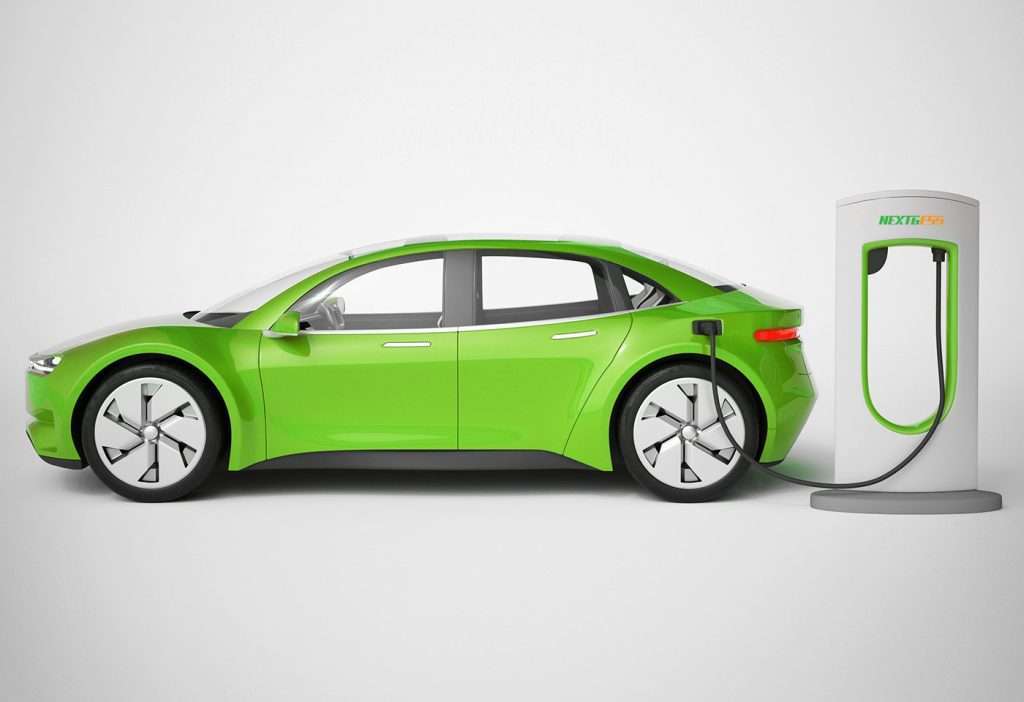
As the global shift toward electric vehicles (EVs) accelerates, Mexico is emerging as a pivotal market for EV charging infrastructure. With its strategic geographic position, growing automotive industry, and government-backed sustainability initiatives, Mexico is poised to become a regional leader in EV adoption and infrastructure development. Mexico is a key market for EV charging infrastructure, delving into economic, environmental, and logistical factors driving this transformation.
The Rising Demand for Electric Vehicles in Mexico
The demand for electric vehicles in Mexico is growing steadily, fueled by increasing environmental awareness and changing consumer preferences. According to industry reports, EV sales in Mexico grew by over 40% in 2024, reflecting a rising interest in sustainable transportation. Urban centers like Mexico City, Guadalajara, and Monterrey are seeing a surge in EV adoption, driven by high fuel costs and concerns about air pollution.
Mexico’s urban population, which accounts for nearly 80% of the country’s total population, is increasingly seeking eco-friendly alternatives to traditional gas-powered vehicles. This shift aligns with global trends, where consumers are prioritizing sustainability. As more Mexicans embrace EVs, the need for a robust charging infrastructure becomes critical to support this transition.
Strategic Geographic and Economic Advantages
Mexico’s geographic proximity to the United States, the world’s second-largest EV market, positions it as a strategic hub for EV-related industries. The country’s role as a manufacturing powerhouse, particularly in the automotive sector, further strengthens its case. Mexico is home to major automakers like Tesla, General Motors, and Nissan, all of which are investing heavily in EV production.
In 2023, Tesla announced plans to build a Gigafactory in Nuevo León, signaling confidence in Mexico’s potential as an EV manufacturing hub. This development is expected to drive local demand for EVs and, consequently, charging infrastructure. Additionally, Mexico’s trade agreements, such as the USMCA, facilitate the export of EVs and related technologies, creating a favorable environment for infrastructure investment.
The country’s relatively low labor and operational costs also make it an attractive destination for companies looking to develop and deploy EV charging stations. These economic advantages, combined with Mexico’s strategic location, make it a compelling market for both domestic and international stakeholders in the EV ecosystem.
Government Initiatives and Policy Support
The Mexican government is actively supporting the transition to electric mobility through policies and incentives. In 2024, the government introduced tax breaks for EV buyers and subsidies for companies installing charging stations. These measures aim to make EVs more affordable and encourage private investment in charging infrastructure.
Mexico’s National Electric Mobility Strategy, launched in 2022, outlines ambitious goals to expand EV adoption and infrastructure by 2030. The strategy includes plans to install thousands of charging stations across major highways and urban areas, ensuring accessibility for EV drivers. Additionally, Mexico City’s government has committed to electrifying its public transportation fleet, further driving the need for charging infrastructure.
These policies align with Mexico’s commitments under the Paris Agreement to reduce greenhouse gas emissions. By prioritizing sustainable transportation, the government is creating a supportive environment for EV charging infrastructure development, making Mexico an attractive market for investors and businesses.
Urbanization and Infrastructure Needs
Mexico’s rapid urbanization is another key factor driving the demand for EV charging infrastructure. With over 80% of Mexicans living in urban areas, cities face significant challenges related to traffic congestion and air pollution. EVs offer a solution to these issues, but their widespread adoption depends on accessible charging networks.
Major cities like Mexico City and Guadalajara are investing in public charging stations to meet the needs of urban EV drivers. For example, Mexico City has partnered with private companies to install fast-charging stations in shopping malls, office buildings, and public parking areas. These initiatives cater to the growing number of EV owners who rely on convenient, high-speed charging options.
Highway infrastructure is also a priority, as Mexico seeks to connect its urban centers with reliable charging networks. The development of charging stations along major routes, such as the Mexico City–Monterrey corridor, is critical to supporting long-distance EV travel. This focus on both urban and intercity infrastructure underscores Mexico’s potential as a key EV market.
Private Sector Investment and Innovation
The private sector is playing a significant role in expanding Mexico’s EV charging infrastructure. Companies like ChargePoint, Enel X, and local startups are investing in charging networks across the country. These companies are leveraging advanced technologies, such as smart charging systems and renewable energy integration, to create efficient and sustainable solutions.
For instance, Enel X has partnered with Mexican retailers to install charging stations at convenience stores and supermarkets, making charging accessible to a broader audience. Meanwhile, local startups are developing innovative business models, such as subscription-based charging services and mobile apps that help drivers locate nearby stations. These innovations are enhancing the user experience and driving EV adoption.
Foreign investment is also pouring into Mexico’s EV infrastructure market. Chinese companies, known for their expertise in EV technology, are exploring partnerships with Mexican firms to build charging networks. This influx of capital and expertise is accelerating the development of a modern, scalable charging ecosystem.
Challenges and Opportunities
Despite its potential, Mexico’s EV charging infrastructure market faces challenges. Limited grid capacity in some regions and the high upfront costs of installing charging stations are significant hurdles. Additionally, public awareness of EVs and their benefits remains relatively low compared to more mature markets like the U.S. or Europe.
However, these challenges also present opportunities. For example, integrating renewable energy sources, such as solar and wind, into charging stations can address grid limitations while promoting sustainability. Public-private partnerships can help offset installation costs, and educational campaigns can boost consumer awareness and adoption.
Mexico’s young and tech-savvy population is another opportunity. With a median age of 29, Mexicans are open to adopting new technologies, including EVs. By targeting this demographic with user-friendly charging solutions and affordable EVs, companies can tap into a growing market.
The Role of Renewable Energy
Mexico’s abundant renewable energy resources, particularly solar and wind, offer a unique opportunity to power EV charging infrastructure sustainably. The country has set a goal to generate 50% of its electricity from clean sources by 2050, and investments in renewable energy are already underway. By integrating solar-powered charging stations, Mexico can reduce the carbon footprint of its EV ecosystem and attract environmentally conscious consumers.
Several pilot projects are exploring renewable energy-powered charging stations in regions like Baja California and Oaxaca, where solar and wind potential is high. These initiatives demonstrate Mexico’s commitment to building a sustainable EV infrastructure, further enhancing its appeal as a key market.
Why Mexico Stands Out
Mexico’s combination of economic advantages, government support, and urban growth makes it a standout market for EV charging infrastructure. Its proximity to the U.S., robust automotive industry, and favorable trade agreements create a strong foundation for growth. Meanwhile, government policies and private sector innovation are driving the development of a modern, accessible charging network.
For businesses and investors, Mexico offers a unique opportunity to enter a rapidly growing market with significant potential. As EV adoption continues to rise, the demand for charging infrastructure will only increase, positioning Mexico as a regional leader in the global shift toward electric mobility.
Mexico is quickly becoming a key market for EV charging infrastructure, driven by rising EV demand, strategic advantages, and supportive policies. As urban centers expand and the government prioritizes sustainability, the need for a reliable and accessible charging network is more pressing than ever. With private sector innovation and renewable energy integration, Mexico is well-positioned to lead the charge in Latin America’s EV revolution. For stakeholders looking to capitalize on this growing market, now is the time to invest in Mexico’s EV charging future.
Contact us for more product info,NextG Power supply whole EV charging station solutions. Explore investment opportunities in Mexico’s EV charging infrastructure today to be part of this sustainable future.