
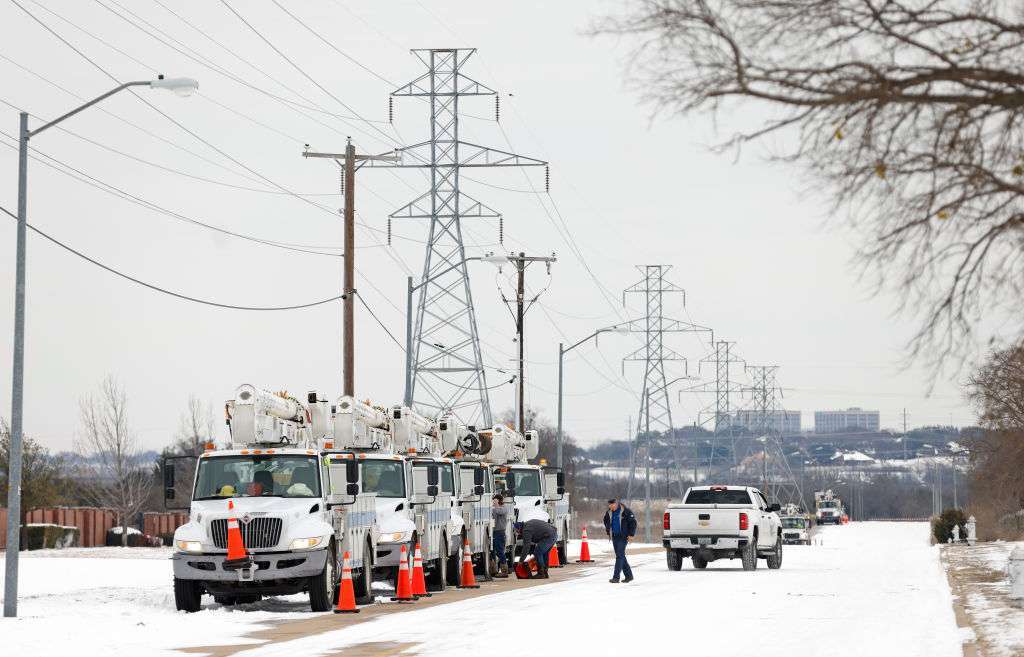
As winter storms become more severe and unpredictable, grid resiliency is a growing concern for utilities, businesses, and homeowners. Power outages during extreme cold can be dangerous, disrupting heating systems, medical equipment, and essential services. To enhance winter grid reliability, battery energy storage systems (BESS) are emerging as a key solution.
We’ll see why battery storage is essential for winter grid resiliency, how it works, and the benefits it offers for a more stable and sustainable energy future.
Why Winter Grid Resiliency Matters
Winter storms, ice accumulation, and extreme cold can strain power grids, leading to:
Increased electricity demand (heating loads surge in cold weather).
Generation and transmission failures (frozen equipment, downed power lines).
Fuel supply shortages (natural gas pipelines freezing, coal piles icing over).
Without reliable backup solutions, blackouts can last for days, putting lives at risk. This is where battery energy storage plays a crucial role.
How Battery Storage Enhances Winter Grid Resiliency
Battery energy storage systems provide fast, flexible, and reliable power when the grid is under stress. Here’s how they help:
1. Instant Backup Power During Outages
When extreme weather causes power failures, batteries can seamlessly switch to backup mode, keeping critical facilities (hospitals, emergency centers, homes) powered.
Unlike diesel generators, batteries don’t rely on fuel supply, making them more dependable in winter conditions.
2. Stabilizing the Grid with Peak Shaving
Winter evenings see high electricity demand as people use more heating and lighting.
Batteries store excess energy during low-demand periods and discharge it during peak times, reducing strain on the grid.
3. Supporting Renewable Energy Integration
Solar and wind power can be intermittent, especially in winter.
Batteries store excess renewable energy and release it when generation drops, ensuring a stable power supply.
4. Reducing Reliance on Fossil Fuel Peaker Plants
Traditional peaker plants (often gas-powered) are used during high demand but are expensive and polluting.
Battery storage provides a cleaner, faster alternative, lowering emissions and costs.
Examples of Battery Storage in Winter Resilience
Texas (2021 Winter Storm Uri): After widespread blackouts, Texas invested in battery storage to prevent future grid failures.
California: Uses large-scale battery systems to balance supply during winter storms and wildfire-related outages.
New York: Deploys battery storage to support grid stability during extreme cold snaps.
The Future of Winter Grid Resiliency with Battery Storage
As battery technology advances and costs decline, we can expect:
 More grid-scale battery projects to prevent winter blackouts. Home battery systems (like NextG Powerwall) becoming mainstream for backup power. AI-driven energy management optimizing storage and distribution in real time.
Batteries Are Key to a Resilient Winter Grid
Winter grid resiliency is no longer just about strengthening power lines—it’s about integrating smart, flexible battery storage systems. By storing energy, balancing demand, and supporting renewables, batteries ensure that communities stay powered through the harshest winter conditions.
Is your home or business prepared for winter outages? Consider battery storage as a reliable, sustainable backup solution.
Interested in learning more about battery energy storage for winter resiliency? Contact us today to explore the best solutions for your energy needs!