
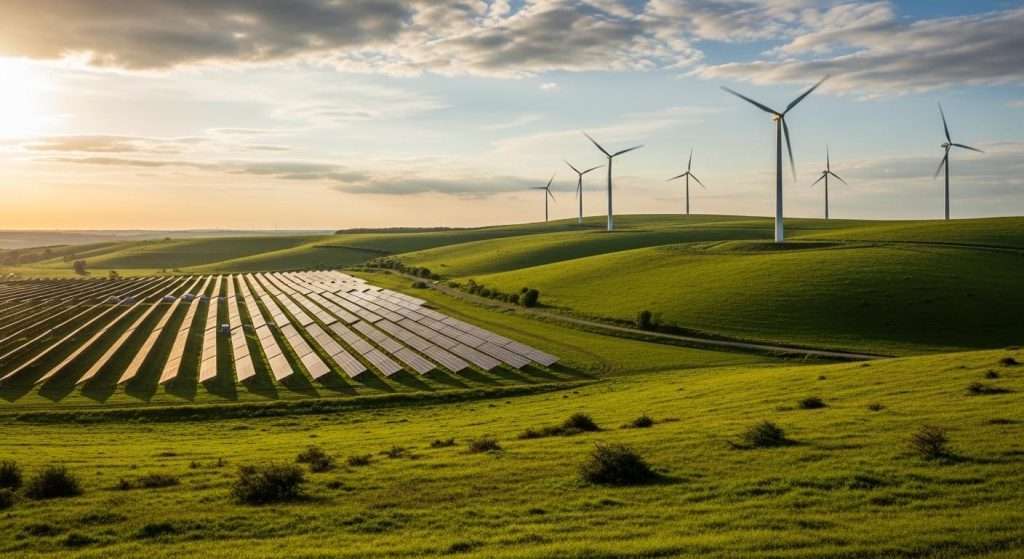
The energy landscape is shifting beneath our feet. A perfect storm of climate change, technological disruption, and aging systems is pushing traditional power grids to their limits. For utility leaders and power generators, this isn’t just a technical challenge—it’s an existential one.
The question is no longer si the grid must evolve, but comment. Proactive adaptation is the only path forward. Let’s explore the three dominant forces testing our power systems and the practical strategies you can employ to build a more resilient, reliable, and profitable grid.
Trend 1: Taming Renewable Intermittency for Grid Stability
The renewable energy boom is a cornerstone of decarbonization, but it introduces a core challenge: intermittency. You can’t command the sun to shine or the wind to blow, and this variability threatens the delicate balance between energy supply and demand.
This is compounded by the rise of Distributed Energy Resources (DERs)—solar farms, home batteries, electric vehicles—which decentralize power generation. Managing this two-way, dynamic energy flow requires a smarter approach.
The Strategy: Advanced Grid Management & Inertia Solutions
To turn volatility into reliability, forward-thinking operators are deploying:
Smart Control Systems: Platforms like Advanced Distribution Management Systems (ADMS) and Distributed Energy Resource Management Systems (DERMS) are essential. They act as the grid’s central nervous system, integrating real-time data from DERs and plant control systems (DCS) to optimize distribution, prevent outages, and maintain stability.
Stabilizing Technologies: Renewables lack the inherent inertia of spinning turbine masses. Technologies like synchronous condensers (often converted from retired fossil fuel plants) and systèmes de stockage d'énergie par batterie provide the crucial frequency regulation and short-circuit strength the grid needs.
Proactive Compliance: Evolving grid configurations demand a new approach to compliance. Integrating frequency response and voltage control requirements directly into modernization plans is no longer optional—it’s fundamental to operational licensing.
Trend 2: Fortifying Energy Security in a Volatile World
Energy security has moved from the boardroom to the front page. Two primary drivers are exposing vulnerabilities in our energy supply chains:
Extreme Weather: More frequent and intense hurricanes, wildfires, and heatwaves physically damage infrastructure, causing prolonged blackouts.
Geopolitical Instability: Global tensions disrupt the flow of critical fuels and equipment, creating price spikes and availability crises.
The Strategy: Infrastructure Hardening and Fuel Diversification
Building a self-reliant grid means taking a multi-pronged approach:
Asset Hardening: Utilities are proactively burying power lines, reinforcing transmission towers, and protecting substations from flooding to withstand severe weather events.
Fuel and Technology Diversification: Beyond solar and wind, a resilient portfolio includes low-carbon baseload power from geothermal, biomass, and Small Modular Reactors (SMRs). The conversion of existing plants to run on green hydrogen or ammonia also offers a path to decarbonization while bolstering domestic energy security.
Trend 3: Bridging the Technology Gap in Aging Infrastructure
Many of the world’s power assets are decades old, operating far beyond their intended lifespan. This leads to a higher risk of failure, spiraling maintenance costs, and inefficiencies that hurt your bottom line.
The slow adoption of digital tools in the power sector has created a critical technology gap, limiting capabilities in predictive maintenance and operational optimization.
The Strategy: Strategic Modernization and Asset Repurposing
Modernization isn’t just about new hardware; it’s a strategic financial decision.
Control System Upgrades & Retrofits: Investing in modern control systems and turbine retrofits reduces downtime, slashes operating expenses, and extends asset life—directly improving ROI.
Intelligent Decommissioning & Repurposing: When an asset is too costly to upgrade, decommissioning doesn’t mean abandonment. Former coal plant sites, for example, are ideal locations for new nuclear facilities, hydrogen hubs, or grid stockage de batterie, as they already possess valuable grid interconnections and water access.
Embrace Digitalization: Implementing data analytics and IIoT (Industrial Internet of Things) sensors enables predictive maintenance, optimizes plant performance, and provides the insights needed for smarter long-term capital planning.
The Path Forward: Building a Grid That Thrives on Change
The challenges of renewable integration, energy security, and aging infrastructure are interconnected. A siloed solution won’t suffice. The future belongs to those who view these pressures as catalysts for a comprehensive transformation.
By embracing advanced grid management, diversifying energy sources, hardening physical assets, and strategically modernizing aging infrastructure, power companies can do more than just survive—they can build a grid that is more resilient, sustainable, and economically robust for the decades to come.
Ready to future-proof your grid strategy?
Book a consultation with NextG Power to identify the most impactful grid resilience strategies for your infrastructure, ensuring greater reliability, compliance, and return on investment.
Mots-clés: Grid Resilience Strategies, Renewable Intermittency, Grid Stability, Aging Infrastructure, Energy Security, Distributed Energy Resources (DERs), ADMS, DERMS, Synchronous Condensers, Modernization, Power Generation, Asset Hardening, Compliance, Digitalization.