
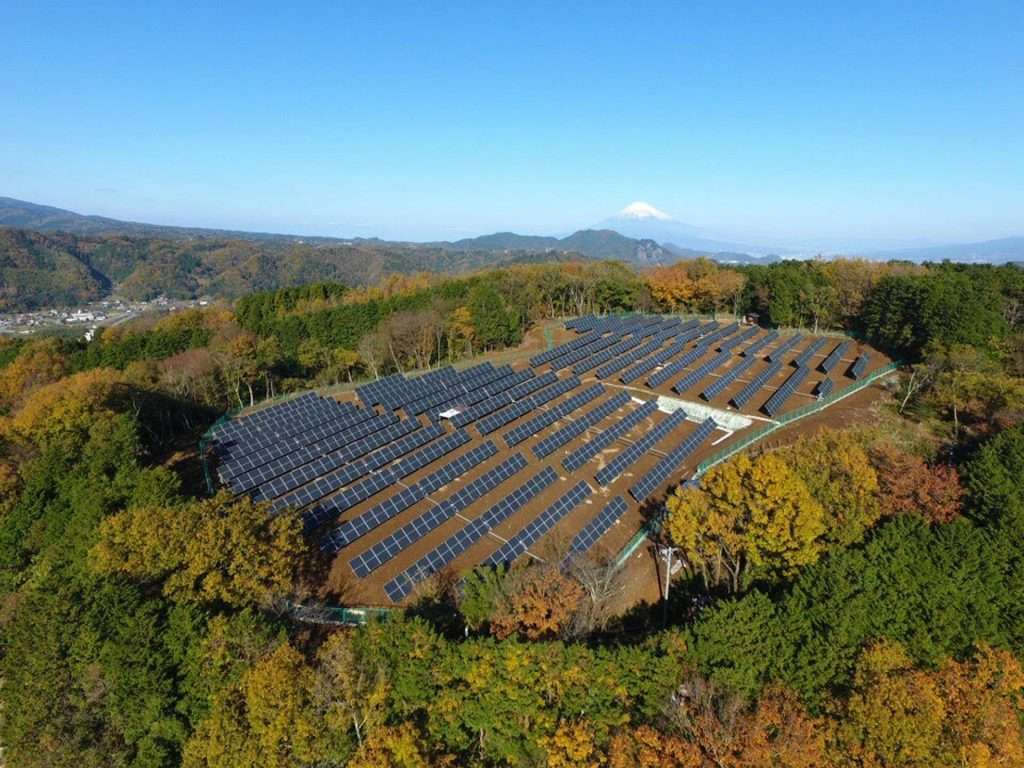
Step into the vibrant world of renewable energy with our handpicked collection of 20 captivating facts that illuminate the ingenuity, global triumphs, and quirky innovations driving the clean energy revolution. From ancient windmills to futuristic space solar farms, we’ll explore how humanity is harnessing nature’s gifts to power a sustainable tomorrow.
概要
- Solar energy could power the planet 10,000 times over with just 0.01% of its potential
- Wind turbines power over 100 million homes globally
- Ocean energy remains a largely untapped powerhouse
- Beehive-inspired solar designs boost efficiency
- Space-based solar farms could beam energy by 2035
Since the IndustrialcleoIndustrial Revolution’s smoky dawn, humanity has leaned on fossil fuels, but their toll on our planet has sparked a global quest for cleaner alternatives. Innovators are tapping wind, sun, water, and even unlikely sources like algae and footsteps to create energy that doesn’t scar the Earth. In this deep dive, we’ll uncover 20 facts about renewable energy, spotlighting the countries leading the charge, the technologies ready to soar, and the surprising inspirations—like beehives and artificial trees—shaping the future.
Ready to join the movement? Installing solar panels on your roof is a powerful first step. Curious about the savings? Answer a few quick questions at the end for a personalized estimate.
1. Eight Countries Run Almost Entirely on Renewables
Eight nations—Albania, Bhutan, Costa Rica, Ethiopia, Iceland, Nepal, Norway, and Paraguay—generate over 99% of their electricity from renewable sources. Hydropower is the backbone for most, with Norway sourcing 88% of its energy from cascading rivers and fjords, while Iceland blends hydropower (70%) with geothermal (30%) to power its volcanic island. For example, Paraguay’s Itaipu Dam, one of the world’s largest, churns out 103 TWh annually, meeting nearly all its electricity needs. These pioneers show that a renewable-powered future is already reality for some.
2. Renewables Hit a Global Record of 30% in 2024
In 2024, renewable energy accounted for 30% of global electricity production, a historic milestone reported by the International Energy Agency (IEA). Solar power surged by 24% year-on-year, while wind grew by 10%, together outpacing coal for the first time. This shift reflects plummeting costs—solar panel prices dropped 80% since 2010—and supportive policies like the EU’s Green Deal. The result? Clean energy is no longer a niche; it’s a global heavyweight.
3. Europe’s Fossil Fuel Use Plummeted to a Century Low
Europe slashed fossil fuel use for electricity to 25% in 2024, the lowest since the early 1900s, per Ember’s energy data. Coal’s share collapsed to under 10%, driven by Germany’s 50 GW of new wind capacity and Spain’s solar boom. Gas remains a transitional fuel, but its role is shrinking as offshore wind farms, like the UK’s 3.6 GW Dogger Bank, come online. This seismic shift is a cornerstone of Europe’s net-zero ambitions by 2050.
4. Solar Could Power the World 10,000 Times Over
The sun bathes Earth in 173,000 terawatts of energy daily—enough to meet global needs 10,000 times over if we captured just 0.01%, according to the IEA. The challenge lies in storage and land use, but innovations like floating solar farms on reservoirs are easing constraints. For instance, Singapore’s 60 MW Tengeh Reservoir project powers 16,000 homes while saving land. Solar’s potential is astronomical, and we’re only scratching the surface.
5. Wind Powers Over 100 Million Homes
Global wind capacity hit 1,200 GW in 2024, enough to power 100 million households, per the Global Wind Energy Council. Offshore wind is the new frontier, with Europe’s North Sea hosting giants like the UK’s Hornsea Two (1.4 GW), which powers 1.3 million homes. Advances in turbine size—some blades now span 115 meters—mean each spin generates more energy than ever, making wind a cornerstone of the clean energy mix.
6. China Dominates Global Solar Production
China produces 80% of the world’s solar panels and boasts 650 GW of installed solar capacity as of 2025, per BloombergNEF. Its Xinjiang Solar Farm, the world’s largest at 5 GW, powers millions of homes across 33,000 acres. China’s edge comes from scale, subsidies, and high-altitude sites like Qinghai, where intense sunlight and cool air boost panel efficiency.
7. Hydropower Remains the Renewable King
Hydropower supplies 15% of global electricity, outpacing all other renewables with over 4,300 TWh annually, per the IEA. Brazil’s Itaipu Dam, a marvel shared with Paraguay, produces 103 TWh yearly, covering 15% of Brazil’s needs. Canada follows closely, with Quebec’s hydropower network powering 95% of the province. Despite its dominance, hydropower’s growth is slowing due to limited new dam sites and environmental concerns.
8. Cow Manure Powers Thousands of Homes
In Germany, the Bioenergie Lüchow plant turns 100,000 tonnes of cow manure into biogas yearly, powering 4,000 homes. By capturing methane—a greenhouse gas 25 times more potent than CO2—it generates 30 GWh of electricity while reducing emissions. Similar plants are sprouting globally, from India’s Punjab to California’s Central Valley, turning agricultural waste into a clean energy hero.
9. Windmills Were Born in Ancient Persia
In 500 CE, Persian engineers built the first windmills—vertical-axis designs to grind grain and pump water. These early machines, made of wood and reeds, spun in Iran’s windy Sistan region, laying the groundwork for today’s sleek turbines. By the 19th century, Europe refined the concept, but Persia’s ingenuity deserves the spotlight for kickstarting wind power’s long journey.
10. Geothermal Heats Up New Zealand
New Zealand generates 18% of its electricity (1,100 MW) from geothermal sources, per the NZ Geothermal Association. The Wairakei Power Station, operational since 1958, was the world’s first to harness wet steam, producing 181 MW. Geothermal’s reliability—unaffected by weather—makes it a perfect baseload power source, and New Zealand’s volcanic terrain is a natural hotbed for this clean energy.
11. Ocean Energy: A Sleeping Giant
Wave and tidal energy could supply 10% of global electricity, yet only 1.2 GW is installed worldwide, per the IEA. Scotland’s MeyGen tidal array in the Pentland Firth generates 6 MW, powering 4,000 homes with predictable tidal flows. High costs and harsh marine environments slow progress, but projects like France’s 240 MW Raz Blanchard show ocean energy’s untapped potential.
12. Beehives Inspire Solar Innovation
Scientists at Stanford University are designing solar panels modeled on beehive hexagons, boosting efficiency by 10% through better light capture. These bio-inspired cells, tested in 2024, reduce material costs and could hit markets by 2028. Nature’s design genius, from honeycombs to lotus leaves, is reshaping how we harness the sun’s rays.
13. India’s Renewable Rise Is Unstoppable
India ranks fourth globally with 190 GW of renewable capacity in 2025, per the Ministry of New and Renewable Energy. Solar (100 GW) and wind (50 GW) lead, fueled by the National Solar Mission’s push for 500 GW by 2030. Rajasthan’s Bhadla Solar Park, the world’s second-largest at 2.7 GW, powers 4 million homes, showcasing India’s leap toward clean energy dominance.
14. Kinetic Pavements Turn Steps Into Power
London’s Bird Street uses kinetic pavements to convert footsteps into electricity, generating up to 50 watts per tile. Installed in high-traffic areas like train stations, these tiles powered lights and USB chargers in 2024 trials. The technology, pioneered by Pavegen, is popping up in Tokyo and Dubai, turning urban bustle into sustainable energy.
15. The Solar Cell Was a Happy Accident
In 1839, 19-year-old Edmond Becquerel stumbled upon the photovoltaic effect while experimenting with silver chloride in a liquid. His discovery—that sunlight could generate electricity—laid the foundation for solar panels. By 1954, Bell Labs turned this accident into the first practical silicon solar cell, sparking a renewable revolution.
16. Algae Could Fuel Planes and Cars
Algae biofuels produce 10 times more energy per hectare than corn or soy, per Japan’s Euglena Co. A 2024 pilot in Yokohama is turning algae into jet fuel, aiming to cut aviation emissions by 20% by 2030. Algae’s fast growth and ability to thrive in wastewater make it a green fuel game-changer.
17. The World’s Largest Solar Farm Is in China
China is home to the world’s largest solar farm, located in Xinjiang Province, with a capacity of 5 GW, connected to the grid in June 2024. Spanning 33,000 acres, it generates over 6 billion kWh annually, enough to power a small country like Luxembourg. Previously, the Golmud Solar Park in Qinghai held the title with 3 GW, but Xinjiang’s massive scale and advanced bifacial panels have set a new benchmark for solar ambition.
18. Space Solar Nears Reality
The European Space Agency’s SOLARIS project aims to launch a 2 GW solar satellite by 2035, beaming energy to Earth via microwaves. Unlike ground-based panels, it would harvest sunlight 24/7, unaffected by clouds or night. China’s similar 1 km-wide array, planned for 2030, could power 1 million homes, pushing renewable energy into orbit.
19. Denmark’s Renewable Reign Hits 80%
Denmark generates 80% of its electricity from renewables, with wind (55%) and biomass (25%) leading, per Energinet. The Ørsted offshore wind farms, like Horns Rev 3, produce 407 MW, powering 425,000 homes. Denmark’s policies, including carbon taxes, make it a global model for transitioning to clean energy.
20. Artificial Trees Clean and Power
MIT’s artificial trees, tested in 2024, mimic photosynthesis to capture CO2 and produce hydrogen fuel using solar power. Each “tree” can generate 200 liters of hydrogen daily, enough to power a small car. By 2030, these devices could decarbonize heavy industries like steel, blending carbon capture with clean energy production.
まとめ
Renewable energy is a tapestry of bold ideas, from ancient Persian windmills to futuristic artificial trees and space solar farms. Each source—solar, wind, hydro, and beyond—has unique strengths, and together, they’re rewriting how we power the world.
Inspired to make your home an eco-powerhouse? Solar panels with バッテリーストレージシステム are a stellar start.