
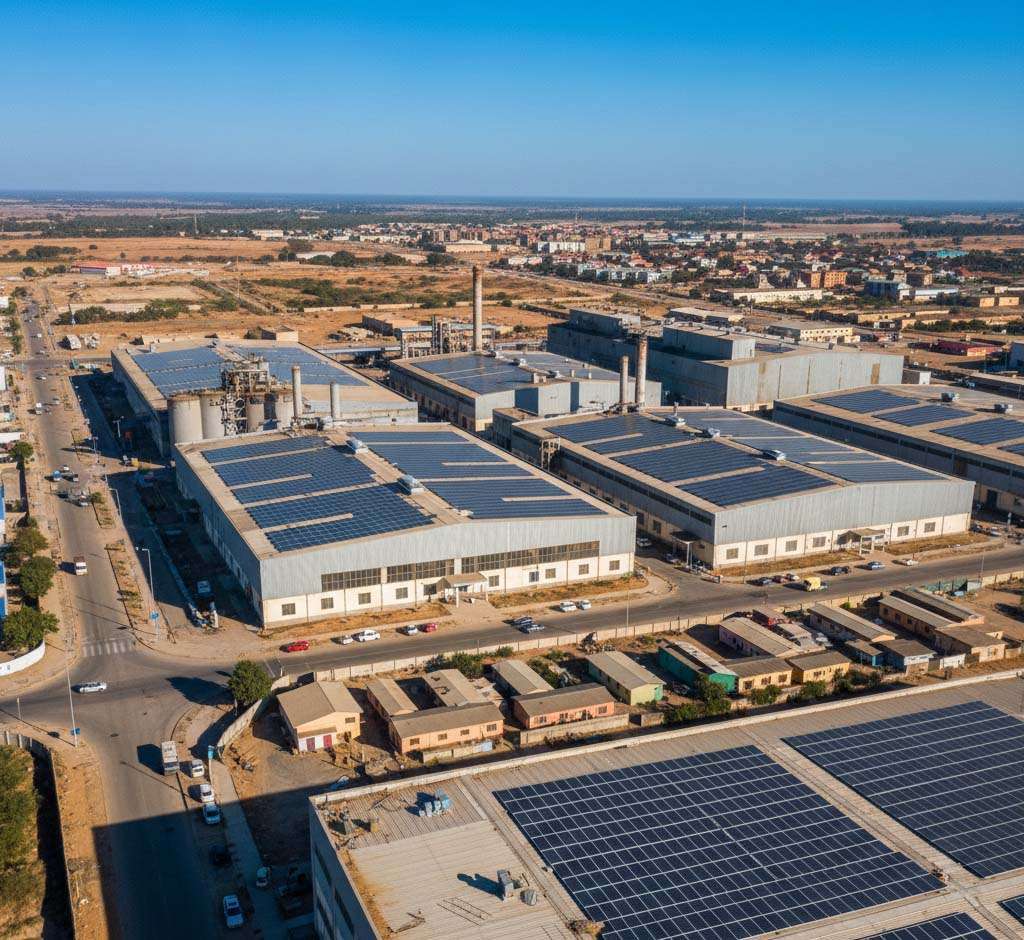
For generations, the promise of electricity in Africa has been tied to the slow, costly expansion of centralized power grids. But a quiet revolution is unfolding—one that is turning the old energy model on its head. Across the continent, communities, businesses, and innovators are embracing Decentralized Energy, creating a future where power is not just delivered, but generated, managed, and owned locally.
This isn’t just about keeping the lights on. It’s about powering progress, from rural schools and clinics to urban factories and tech hubs. It’s about energy independence, resilience, and innovation. Welcome to Africa’s power shift.
The Rise of Decentralized Energy in Africa: More Than a Trend
Decentralized Energy refers to systems that generate power close to where it is used—think rooftop solar, community mini-grids, and portable solar kits. Unlike traditional grids, these solutions are modular, scalable, and adaptable. In a continent where geography, economics, and infrastructure have long limited energy access, decentralization isn’t just convenient—it’s transformative.
Consider this:
In sub-Saharan Africa, over half of the population still lacks reliable electricity.
Centralized grid expansion is often too slow and too expensive to meet urgent needs.
Yet, Africa has some of the world’s best solar resources—waiting to be harnessed locally.
Decentralized Energy is bridging this gap, turning sunlight into opportunity, one community at a time.
From Households to Industries: Who’s Leading the Change?
For Rural Communities:
Solar home BESS systems and mini-grids are replacing kerosene lamps and diesel generators. In countries like Tanzania, Kenya, and Rwanda, pay-as-you-go solar companies have empowered millions with affordable, clean energy—enabling children to study at night, clinics to refrigerate vaccines, and small businesses to thrive after sunset.
For Cities and Industries:
Urban areas and industrial zones are also turning to decentralized solutions. Shopping malls, hospitals, and factories are installing solar panels and magazynowanie baterii to reduce costs and ensure uninterrupted power. In South Africa, Nigeria, and Ghana, commercial solar installations are not just backup systems—they’re becoming primary energy sources.
Technology as the Great Enabler
What makes this shift possible? Technology. Smart meters, mobile money, and IoT devices allow users to pay for energy in small increments, monitor usage, and manage systems remotely. Artificial intelligence is optimizing energy distribution in mini-grids, while blockchain experiments are enabling peer-to-peer energy trading in places like South Africa and Nigeria.
These tools aren’t just fancy add-ons—they’re making Decentralized Energy affordable, reliable, and scalable.
Investment Is Flowing—But Wisely
The financial world has taken notice. Impact investors, development banks, and private equity firms are pouring funds into African Decentralized Energy projects. Why? Because the models work. Mini-grids offer long-term revenue streams, solar home BESS systems have proven profitable at scale, and C&I solar delivers strong returns with lower risk.
Still, challenges remain. Currency fluctuations, regulatory hurdles, and upfront costs can deter investment. But innovative financing—like blended finance and green bonds—is helping to de-risk projects and attract more capital.
The Human Impact: More Than Megawatts
The true measure of this energy shift isn’t just in megawatts generated—it’s in lives improved. Decentralized Energy is:
Creating jobs for installers, technicians, and sales agents.
Reducing indoor air pollution by replacing charcoal and kerosene.
Empowering women, who often bear the burden of energy poverty.
Enabling digital access through powered mobile phones and internet devices.
This is energy as a tool for dignity, equity, and opportunity.
What’s Next for Decentralized Energy in Africa?
The future is bright—and increasingly decentralized. Here’s what we can expect:
Integration with National Grids: Hybrid BESS systems that combine mini-grids with grid power will become more common, enhancing reliability.
Green Hydrogen Potential: Solar and wind could eventually produce green hydrogen for storage and transport, opening new economic avenues.
Policy Evolution: Governments are beginning to recognize Decentralized Energy not as competition, but as a partner in national electrification.
A Final Thought: Power to the People
Africa’s energy story is no longer about waiting for a connection. It’s about building your own. Decentralized Energy is putting power—literally and figuratively—into the hands of people. It’s a story of resilience, innovation, and hope. And it’s being written every day, in homes, businesses, and communities across the continent.
The grid may have its place, but the future is decentralized. And Africa is leading the way.
Słowa kluczowe: Decentralized Energy, Africa solar power, mini-grids, off-grid energy, renewable energy Africa, solar home systems, energy access, clean energy transition, rural electrification, pay-as-you-go solar, energy innovation, C&I solar, sustainable energy Africa, energy resilience, green technology Africa, decentralized power systems.