
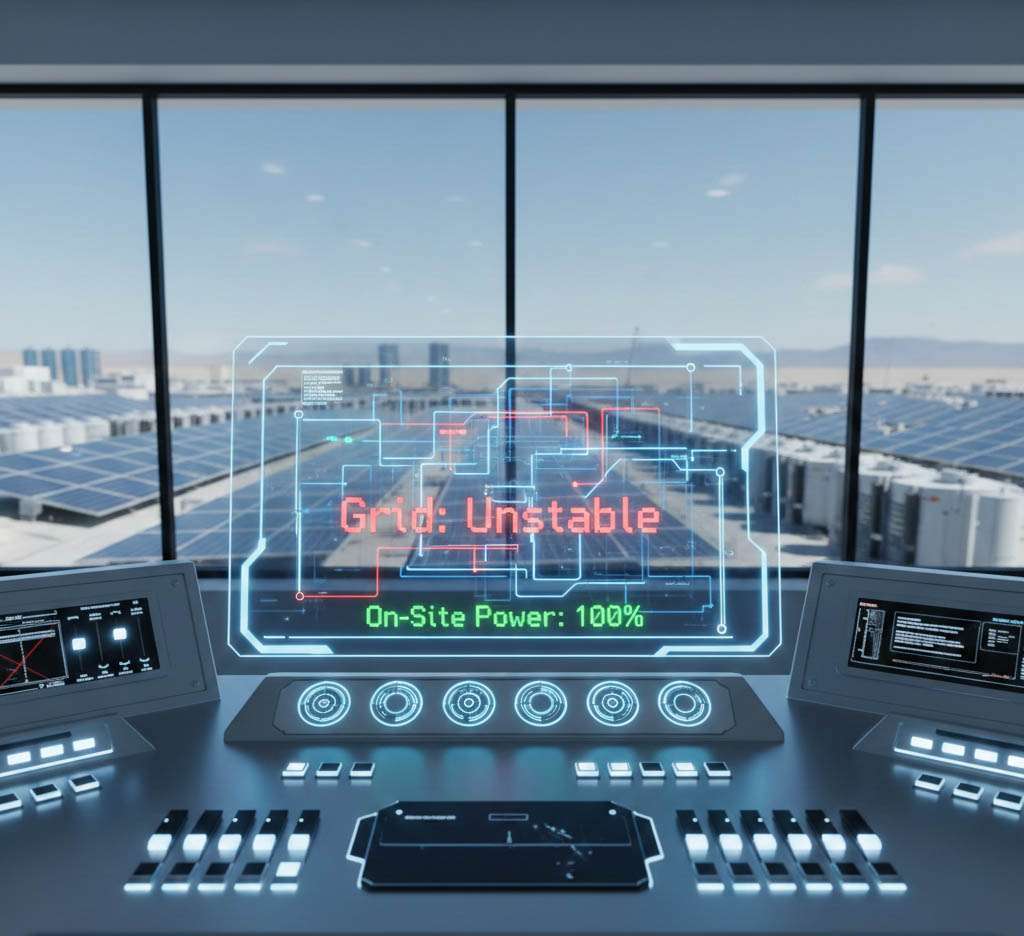
Why Energy Resilience Is Now the #1 Reason Businesses Go Green
If your organization is planning its energy strategy for 2026 and beyond, a major priority shift is underway. According to new industry data, clean energy is no longer just about sustainability or reducing expenses—it’s fundamentally about keeping the lights on.
NextG Power’s 2026 State of the Industry Report, based on a survey of 500 commercial and industrial decision-makers, confirms that energy resilience and independence have surpassed cost savings, ESG goals, and compliance as the leading drivers for investment. For modern businesses, reliable power is now a competitive necessity.
Declining Confidence in the Grid
The push toward energy resilience is largely fueled by eroding trust in public infrastructure. The report shows 87% of leaders see breaking away from the grid as a priority—a notable 7% increase from the previous year.
Key pressures accelerating this move include:
Aging grid equipment and congestion
More frequent extreme weather events
Rising cybersecurity threats
Longer, more disruptive outages
The U.S. Department of Energy estimates that power outages already cost U.S. businesses approximately $150 billion annually. For sectors like healthcare, manufacturing, and logistics, an outage isn’t just a financial loss—it can compromise safety, reputation, and customer trust.
How Resilience Outranks Sustainability
When asked to rank motivations for clean energy projects, 15% of leaders named energy resilience their top reason—nearly double the figure from last year. Meanwhile, traditional drivers like net-zero targets and brand sustainability took a back seat, indicating that ESG now plays a supporting, rather than primary, role.
The most desired benefits of adopting clean energy tell a clear story:
50% – Energy reliability
43% – Reduced grid dependence
42% – Backup power during severe weather
Each of these saw year-over-year growth, highlighting that grid concerns are rising—and so is the belief that onsite energy solutions can address them.
Operations Teams Are Leading the Charge
The urgency is most acute among those managing daily operations:
55% of facilities and operations leaders cite energy independence as the top benefit of clean energy—a 16-point annual increase.
Fleet managers are also prioritizing resilience, especially as electric vehicles require dependable charging infrastructure to maintain schedules.
These teams face outages head-on: stalled production, delayed shipments, and operational chaos. Onsite clean energy systems provide direct control, turning a vulnerable cost center into a strategic asset.
Итог
The data is clear: energy resilience is no longer optional. It’s central to business continuity, risk management, and long-term competitiveness. Organizations that build integrated, onsite energy strategies today will be better equipped to handle tomorrow’s disruptions—from policy shifts and extreme weather to grid instability.
Ready to strengthen your organization’s energy resilience? Our team can help you plan, fund, and implement a clean energy strategy that keeps you powered through uncertainty. Contact now!
Keywords: energy resilience, clean energy, energy independence, grid reliability, commercial energy strategy, onsite energy, backup power, business continuity, clean energy investment, ESG, sustainability, grid outages, energy infrastructure, commercial solar, energy management