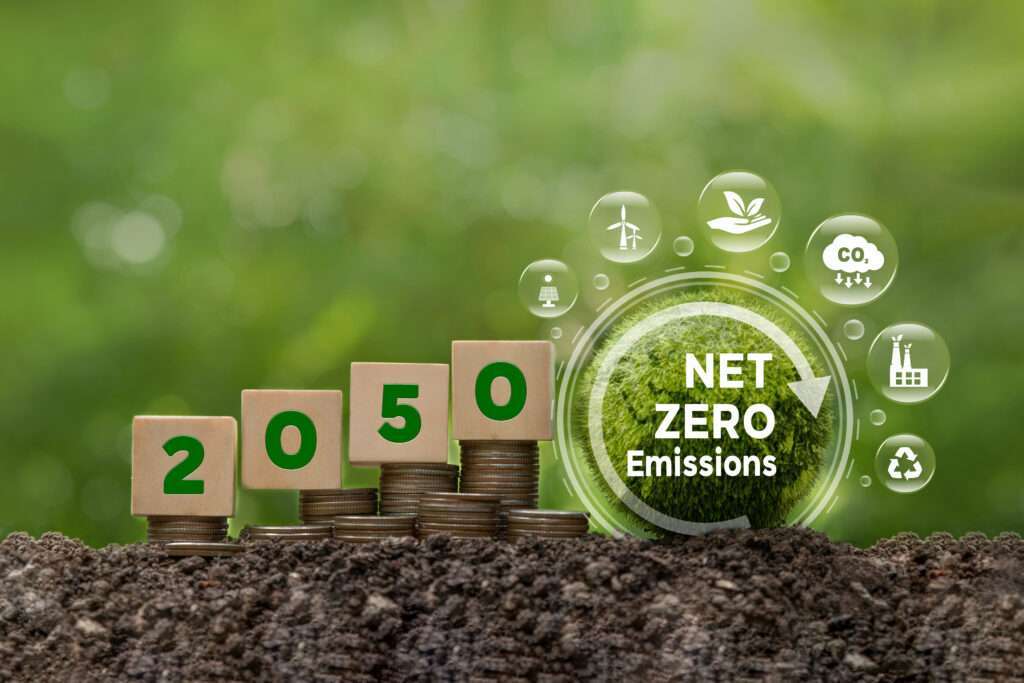
The European Union’s NetZero 2050 target is a bold commitment to making Europe the world’s first climate-neutral continent. By achieving net-zero greenhouse gas emissions by 2050, the EU aims to combat climate change, foster sustainable economic growth, and position itself as a global leader in clean energy. This ambitious goal, part of the European Green Deal, is reshaping industries, accelerating renewable energy adoption, and driving innovation in technologies like Battery Energy Storage Systems (BESS). In this blog, we explore the NetZero 2050 target, its implications for businesses, and how energy storage is powering this green transition.
What is the EU’s NetZero 2050 Target?
The NetZero 2050 target is a cornerstone of the EU’s climate strategy, aiming to balance greenhouse gas emissions with removals by 2050. This means reducing emissions as close to zero as possible and offsetting any remaining emissions through natural or technological carbon sinks. Key milestones include:
55% emissions reduction by 2030 (compared to 1990 levels), as outlined in the Fit for 55 package.
100% renewable energy reliance in key sectors like electricity and transport.
Carbon neutrality across industries, including energy, manufacturing, and agriculture.
The EU is backing this vision with robust policies, such as the Renewable Energy Directive (RED III) and the EU Emissions Trading System (ETS), alongside €1 trillion in investments through the European Green Deal Investment Plan.
Почему это важно
The NetZero target isn’t just a policy—it’s a catalyst for economic transformation. According to the European Commission, achieving NetZero could create 1 million green jobs by 2030 and boost GDP by up to 2%. For businesses, it’s an opportunity to innovate, reduce costs, and align with growing consumer demand for sustainability. However, it also poses challenges, such as compliance with stricter regulations and the need for significant upfront investments in clean technologies.
The Role of Renewable Energy in NetZero 2050
Renewable energy is the backbone of the NetZero strategy. The EU aims to increase the share of renewables in its energy mix to 42.5% by 2030, up from 23% in 2022, with wind and solar leading the charge. However, the intermittent nature of renewables presents a challenge: how do we ensure a stable energy supply when the sun isn’t shining or the wind isn’t blowing?
This is where Системы хранения энергии на основе аккумуляторных батарей (BESS) come in. BESS store excess energy generated during peak production and release it during high demand, ensuring grid stability and maximizing renewable energy utilization. By 2030, the EU’s BESS market is projected to reach 400GWh in annual deployments, driven by declining battery costs (down 50% since 2015) and supportive policies like the EU’s Battery Regulation.
Benefits of BESS for NetZero Goals
Стабильность сети: BESS smooth out fluctuations in renewable energy supply, reducing reliance on fossil fuel backups.
Экономия средств: By enabling peak shaving and demand response, BESS can cut energy costs by up to 40% for commercial and industrial (C&I) users.
Устойчивость: High-cycle-life batteries, like Lithium Iron Phosphate (LFP), support long-term renewable integration with minimal environmental impact.
Масштабируемость: From small-scale C&I applications to utility-scale projects, BESS are versatile tools for decarbonization.
Challenges on the Road to NetZero
While the NetZero 2050 target is inspiring, it’s not without hurdles:
Высокие первоначальные затраты: Transitioning to renewables and deploying BESS require significant capital. Although costs are falling, the price for BESS remains a barrier for some businesses.
Supply Chain Constraints: The EU relies on imported battery materials, raising concerns about supply security and ethical sourcing.
Regulatory Complexity: Navigating diverse national policies within the EU can slow project deployment.
Grid Infrastructure: Aging grids need upgrades to handle increased renewable penetration and BESS integration.
To address these, the EU is investing in research (e.g., Horizon Europe’s €9 billion for clean tech), streamlining permitting processes, and promoting domestic battery production through initiatives like the European Battery Alliance.
How Businesses Can Prepare for NetZero 2050
For procurement managers, energy managers, and decision-makers, the NetZero target presents both an obligation and an opportunity. Here’s how businesses can align with the EU’s vision:
Adopt BESS: Integrate energy storage to reduce costs, enhance grid reliability, and meet sustainability targets. For example, a 5MWh BESS can save C&I clients up to 35% on energy bills through peak shaving.
Partner with Innovators: Work with companies like NextG Power, whose UL/IEC-certified BESS offer 6,000–12,000 cycles and advanced safety features like fire suppression.
Стимулирующие меры по увеличению кредитного плеча: Tap into EU funding, such as the Innovation Fund, which allocates €40 billion for low-carbon technologies.
Track Regulations: Stay compliant with evolving standards, like the EU’s Battery Passport, which will mandate sustainability reporting by 2027.
NextG Power’s Role in the NetZero Journey
At NextG Power, we’re committed to powering the EU’s NetZero 2050 target. Our BESS solutions, built with high-performance LFP batteries, deliver unmatched reliability, safety, and cost efficiency. Trusted by European utilities and C&I leaders, our systems support seamless renewable integration, helping businesses cut emissions and achieve NetZero goals. With competitive pricing and scalable designs, we’re here to make your clean energy transition smoother and smarter.
Ready to take the next step? Связаться с нами to explore how our BESS can transform your energy strategy.
The EU’s NetZero 2050 target is more than a climate goal—it’s a blueprint for a sustainable, prosperous future. By embracing renewable energy and innovative technologies like BESS, businesses can reduce costs, enhance resilience, and lead the charge toward carbon neutrality. As the EU accelerates toward 400GWh of BESS deployments by 2030, now is the time to act.
What’s your organization doing to prepare for NetZero? Share your thoughts in the comments, and let’s drive the clean energy revolution together!