
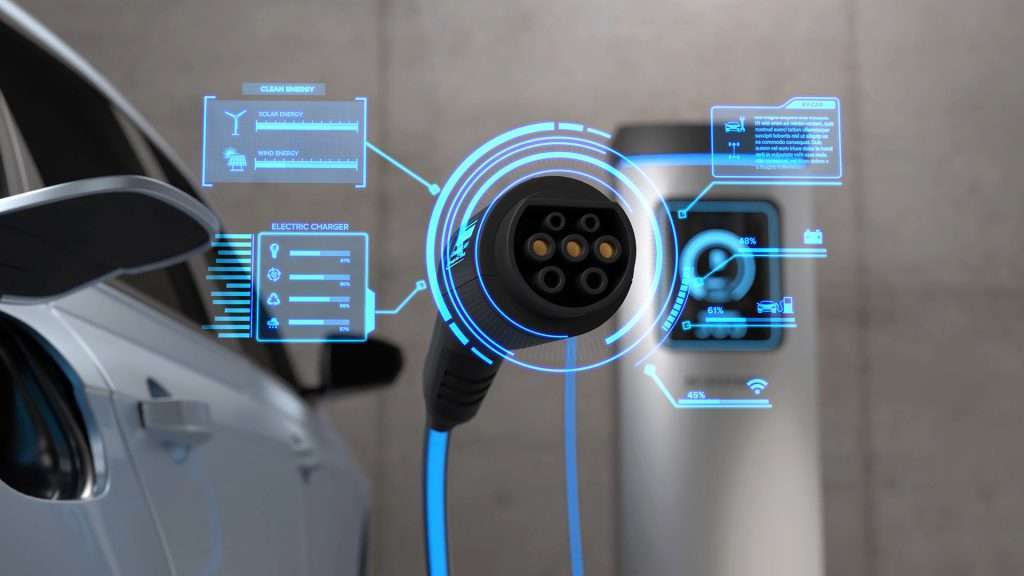
As electric vehicles (EVs) is blooming, with over 1.2 million sold in the U.S. in 2024 alone, the demand for a robust EV charging infrastructure has never been greater. eMobility solutions—encompassing EVs, charging networks, and smart energy systems—are transforming transportation, offering businesses and consumers sustainable, cost-effective alternatives to traditional vehicles.Let’s find out what’s EV charging infrastructure and its benefits, and how businesses and fleets can deploy eMobility to stay ahead.
What Is eMobility?
eMobility refers to the electrification of transportation, including electric cars, bikes, scooters, buses, and trucks, paired with the infrastructure that powers them. Beyond vehicles, eMobility integrates renewable energy, smart charging technologies, and data-driven fleet management to create a seamless, sustainable ecosystem. With EVs now accounting for 8% of U.S. vehicle sales, eMobility is reshaping how we move, work, and power our world.
Key Components of eMobility:
Electric vehicles (cars, trucks, buses, etc.)
Charging infrastructure (Level 1, Level 2, DC Fast Charging)
Renewable energy integration (solar, wind)
Smart technologies (fleet management, vehicle-to-grid systems)
The Importance of EV Charging Infrastructure
A reliable EV charging network is the backbone of eMobility. With over 300 million vehicles on U.S. roads, transitioning to electric requires a charging infrastructure as widespread as gas stations were a century ago. Today, charging stations are strategically placed in urban centers, along major highways like Alternative Fuels Corridors, and at commercial hubs, supporting both daily commutes and long-haul travel.
Why It Matters:
Economic Growth: Charging stations attract customers to nearby businesses, boosting local economies.
Sustainability: EVs reduce emissions by up to 60% compared to gas vehicles, aligning with ESG goals.
Accessibility: Over 70,000 public charging stations exist nationwide, with 20% annual growth.
Types of EV Charging: A Breakdown
Understanding the different levels of EV charging is critical for businesses, fleets, and consumers adopting eMobility solutions. Here’s a look at the three main types:
1. Level 1 Charging
Overview: Uses a standard 120V outlet, delivering 2–5 miles of range per hour.
Best For: Plug-in hybrid vehicles (PHEVs) or occasional EV top-offs.
Pros: No additional infrastructure needed; widely accessible.
Cons: Slow charging speed limits its use for full EVs.
Use Case: Home charging for hybrid vehicles or small-scale top-offs.
2. Level 2 Charging
Overview: Provides 12–80 miles of range per hour, using 240V systems.
Best For: Daily charging for EV owners and fleets.
Pros: Fast, efficient, and widely available (over 60,000 public stations and 80% of EV owners use Level 2 at home).
Cons: Requires dedicated infrastructure, which may involve installation costs.
Use Case: Home, workplace, or public charging for most EVs.
3. DC Fast Charging (DCFC)
Overview: High-powered charging (up to 1,000V), recharging batteries in 20–60 minutes.
Best For: Heavy-duty fleets, public transit, and long-distance travel.
Pros: Rapid charging supports high-demand applications; over 12,000 stations nationwide.
Cons: Higher installation and operational costs.
Use Case: Commercial hubs, highway corridors, and fleet depots.
Benefits of eMobility for Fleets
Fleets, from last-mile delivery vans to heavy freight trucks moving 13 million tons of cargo annually, are critical to the U.S. economy. Electrifying fleets offers significant advantages:
Cost Savings: EVs cut fuel costs by up to 60% and reduce maintenance expenses due to fewer moving parts.
Sustainability: Electric fleets lower emissions, supporting corporate ESG goals.
Driver Satisfaction: Data shows EV drivers report higher job satisfaction, improving retention.
Adoption Trends: 15% of U.S. fleets have integrated EVs, with 90% of fleet managers planning to transition by 2030.
For example, the U.S. Postal Service is investing $40 billion to deploy 100,000 EVs, paired with a nationwide charging network, showcasing the scalability of eMobility solutions.
Smart Charging and Renewable Energy Integration
eMobility thrives on intelligent energy systems. Smart chargers optimize power delivery to extend battery life and reduce costs, while renewable energy sources like solar and wind power 70% of new U.S. energy capacity in 2025. Key innovations include:
Time-of-Use (TOU) Billing: Utilities incentivize off-peak charging to reduce grid strain.
Vehicle-to-Grid (V2G): EVs return surplus energy to the grid, enhancing resilience and offering financial benefits via net metering.
Renewable Integration: Solar and wind-powered charging stations reduce reliance on fossil fuels.
These advancements ensure eMobility is sustainable and cost-effective, with utilities expanding clean energy capacity to meet rising demand.
Overcoming eMobility Challenges
Adopting eMobility comes with hurdles, but solutions are readily available:
Upfront Costs: EVs have higher purchase prices, but savings on fuel and maintenance (up to $10,000 over a vehicle’s life) and federal/state incentives offset costs.
Range Anxiety: Modern EVs offer 300–400 miles per charge, covering most needs. Strategic charging networks eliminate range concerns.
Charging Access: With public chargers growing rapidly and at-home/workplace options expanding, access is increasingly seamless.
How to Implement eMobility Solutions
For businesses and fleets, transitioning to eMobility requires a strategic approach:
Assess Needs: Evaluate fleet size, driving patterns, and charging requirements.
Choose Charging Levels: Combine Level 2 for daily use and DCFC for high-demand applications.
Partner with Experts: Work with experienced providers like NextG Power for seamless charger installation and maintenance.
Leverage Incentives: Utilize federal and state programs to reduce upfront costs.
Integrate Smart Systems: Adopt smart charging and renewable energy to maximize efficiency.
Why Choose NextG Power for eMobility?
NextG Power is a trusted leader in EV charging infrastructure, offering tailored solutions for businesses and fleets. Our expertise ensures seamless installation, reliable performance, and ongoing support, helping you deploy the full potential of eMobility. Whether you’re electrifying a single charging station or an entire fleet, we simplify the process with high-quality service and innovative technology.
Ready to embrace eMobility? Contact NextG Power today to build a sustainable, cost-effective EV charging infrastructure tailored to your needs.
eMobility is revolutionizing transportation, offering businesses and consumers a path to sustainability, efficiency, and cost savings. With a robust EV charging infrastructure—spanning Level 1, Level 2, and DC Fast Charging—eMobility solutions are accessible and scalable. By integrating smart technologies and renewable energy, businesses can stay ahead in the electric future. Partner with NextG Power to make your transition to eMobility seamless and successful.
Keywords: eMobility solutions, EV charging infrastructure, electric vehicles, Level 2 charging, DC Fast Charging, fleet electrification, smart charging, renewable energy, NextG Power